
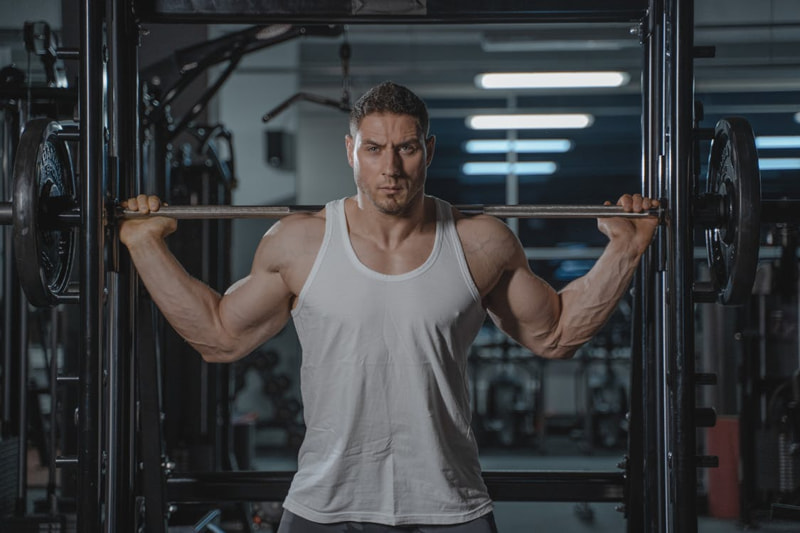
Credit: Pexels.com
A power rack is one of the most versatile pieces of strength equipment ever designed. Whether you are a beginner learning the basics or an experienced lifter chasing new personal bests, a solid rack gives you the foundation to build real, lasting strength.
This guide covers the key exercises you can perform on a power rack, how to structure them into an effective programme, and what to look for when choosing the right one.
Why the Power Rack is the King of Strength Equipment
Most gym machines isolate a single muscle. A power rack does the opposite.
It lets you perform compound movements that recruit multiple muscle groups at once. That means greater muscle activation, a stronger hormonal response, and faster progress over time.
It also functions as a built-in safety system. The adjustable spotter arms catch the bar if you fail a rep, so you can train close to your limits without needing someone to stand over you.
What to Look for Before You Buy
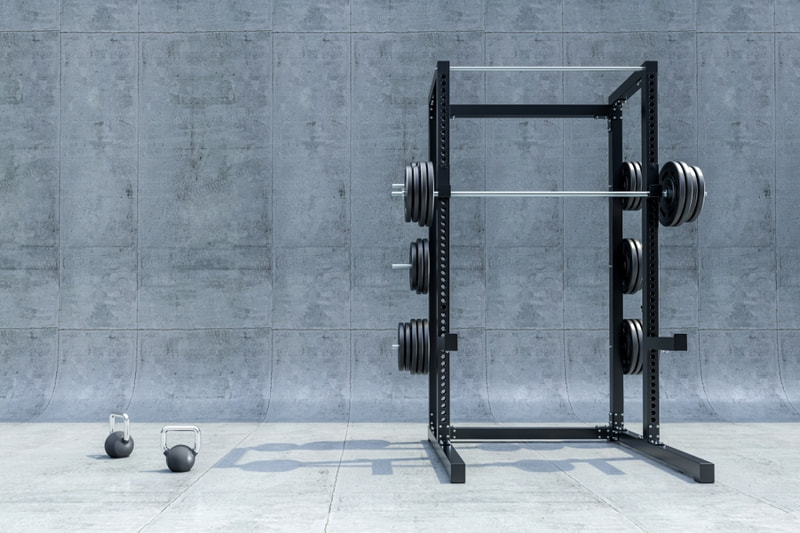
Not all racks are built equally. Frame gauge, weld quality, weight capacity, and spotter arm design vary significantly between brands and price points.
Before committing to a purchase, it is worth researching the manufacturers available to you. A detailed power rack and strength equipment brand French Fitness vs Titan Fitness comparison breaks down how build quality, warranty coverage, and long-term value differ between two popular options at similar price points.
The three things worth prioritising are weight capacity, spotter arm adjustability, and frame stability under load. A rack that wobbles during a heavy squat is not just frustrating; it is a genuine safety risk.
The Core Power Rack Exercises
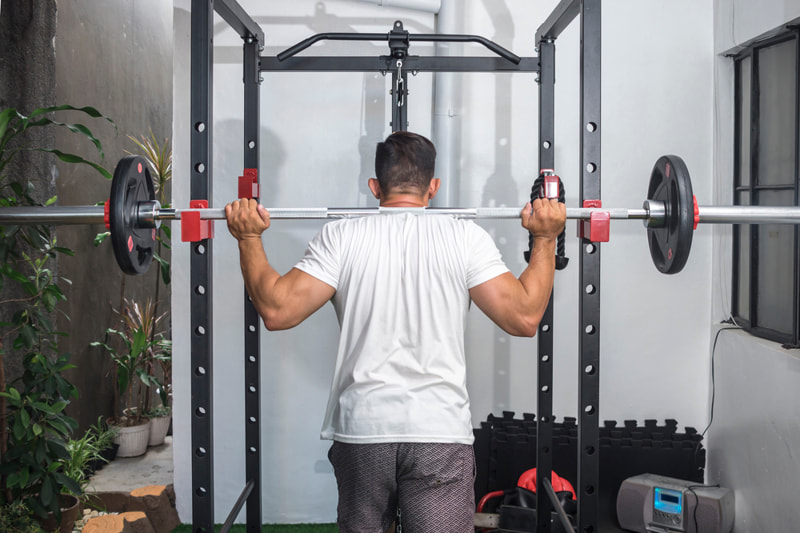
Back Squat
The back squat is the foundation of most strength programmes. It targets the quads, hamstrings, glutes, and lower back simultaneously, making it one of the most efficient movements you can do.
Set the bar at shoulder height, step under it, and brace your core before unracking. Keep your chest up and drive through your heels on the way up. Set the spotter arms just below your lowest squat depth before adding any significant weight.
Bench Press
Most people think of bench pressing as a separate station, but a power rack handles it perfectly. Set the J-hooks at the right height, position a bench inside the rack, and you have a safe and fully adjustable pressing setup.
Focus on a slight arch in your lower back, feet flat on the floor, and a controlled descent before driving the bar back up. Varying your grip width shifts the emphasis between the chest, shoulders, and triceps.
Overhead Press
The overhead press is one of the most underused movements in the gym. It builds shoulder strength, improves posture, and develops the upper traps and triceps as secondary muscles.
Set the bar at upper chest height and press directly overhead, locking out at the top. Keep your core and glutes engaged throughout to protect your lower back.
Rack Pull
If you want to build a thick upper back and serious pulling strength, rack pulls deserve a place in your programme. They are essentially a partial deadlift, with the bar resting on the spotter arms rather than the floor.
Set the bar just below knee height and pull as you would a conventional deadlift. The shorter range of motion means you can typically handle more weight than a standard pull, making them excellent for building confidence and improving your lockout strength.
Pull-Ups and Chin-Ups
Most power racks include a pull-up bar at the top of the frame. This makes them one of the few pieces of equipment that cover both pushing and pulling movements in a single station.
Pull-ups target the lats and upper back, while chin-ups place more emphasis on the biceps. If you are not yet at full bodyweight pull-ups, a resistance band looped over the bar provides enough assistance to help you build into the movement.
How to Structure a Power Rack Session
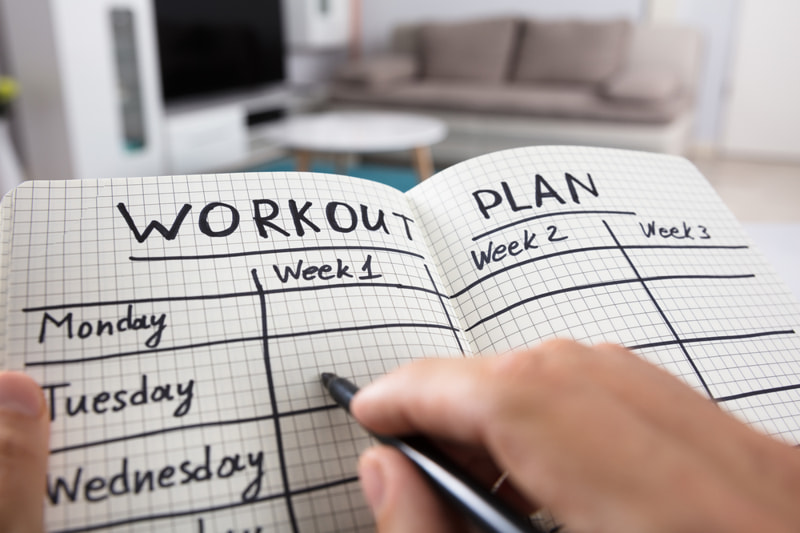
You do not need to perform every exercise in every session. A simple approach is to choose one lower body movement, one upper body push, and one upper body pull per workout.
A solid beginner template might look like this:
- Monday: Back Squat, Bench Press, Pull-Ups
- Wednesday: Overhead Press, Rack Pull, Chin-Ups
- Friday: Back Squat variation, Bench Press, Pull-Ups
Progress by adding small amounts of weight each week rather than making large jumps. Consistency over months is what drives long-term strength gains, not single sessions of pushing too hard.
Common Mistakes to Avoid
Skipping the warm-up. Your joints and connective tissue need time to prepare for heavy compound movements. Always start with lighter sets before moving to working weight.
Setting the spotter arms too low. If the bar would not land on the arms during a failed squat, they are in the wrong position. Always check the height before loading the bar.
Neglecting pulling movements. Most lifters over-prioritise pressing and underdevelop their back. Aim to match your pressing volume with an equal amount of pulling work.
Chasing weight too quickly. Adding too much too soon is the fastest route to injury. Small, consistent progress beats large, reckless jumps every time.
Final Thoughts
The power rack is as simple or as complex as you make it. At its core, it gives you everything you need to build genuine, full-body strength over the long term.
Learn the movements, respect the process, and the results will follow.