

Turning 40 doesn’t mean hanging up your gym bag or accepting that your best days of strength are behind you. In fact, building muscle after 40 isn’t just possible—it’s one of the smartest investments you can make for your long-term health. Strong muscles protect your joints, boost your metabolism, improve balance, and guard against the slow creep of age-related decline.
But there are differences compared to lifting in your 20s or 30s. Recovery takes a bit longer, joints feel the strain more, and bad habits caught up with in younger years can’t be ignored anymore. The good news is that with the right approach, you can still make steady progress, build real strength, and even surprise yourself with how much muscle you can gain.
Let’s break down what changes after 40 and how to adapt your training, nutrition, and mindset to keep growing stronger.
What Actually Changes After 40?
The main barrier to building muscle in your 40s isn’t age itself—it’s the way lifestyle, hormones, and recovery all start to shift.
- Hormones: Testosterone and estrogen levels gradually decline, which can affect recovery and muscle protein synthesis. But the drop is usually far smaller than many fear, and it doesn’t shut down muscle growth. Training and nutrition can offset much of the effect.
- Recovery: Where you might have bounced back from a brutal leg day in your 20s, it now takes longer. Muscles repair at a slightly slower rate, and connective tissues like tendons and ligaments are less forgiving if abused.
- Joints and mobility: Years of sitting at desks, old sports injuries, or neglecting flexibility can start to show. Lifting with poor form or too much ego weight now has more serious consequences.
- Metabolism: A gradual slowdown makes overeating easier and fat gain more likely if diet isn’t dialled in.
These aren’t deal-breakers. They’re simply reminders that training after 40 requires being smarter and more deliberate than before.
Training Smarter, Not Just Harder
In your 40s, consistency beats recklessness every time. You don’t need to train like a 20-year-old athlete to see results—you just need to maximise the time and energy you do have.
Focus on compound lifts
Squats, deadlifts, presses, and rows should remain the backbone of your programme. They give you the biggest return on effort by working multiple muscles at once. But technique matters more than ever. Keep the reps controlled, avoid jerky movements, and prioritise full range of motion.
Warm up properly
Five minutes of treadmill jogging isn’t enough anymore. A solid warm-up—mobility drills, dynamic stretching, activation exercises—prepares joints and muscles for lifting heavy without unnecessary strain.
Progressive overload, but smarter
Progressive overload isn’t just piling weight on the bar. You can progress by:
- Slowing tempo on the eccentric phase
- Increasing reps or sets gradually
- Reducing rest time between sets
- Expanding range of motion
This way, you keep challenging muscles without always chasing heavier weights that can put joints at risk.
Balance strength and hypertrophy
You’ll still benefit from a mix of rep ranges: lower reps (4–6) for strength, moderate reps (8–12) for hypertrophy, and occasional higher reps (15–20) for joint-friendly volume. Variety reduces overuse injuries and builds muscle fibres across the spectrum.
Nutrition for Over-40 Muscle Growth

The training stimulus is half the battle—what you eat and when you eat it now play an even bigger role.
Protein is non-negotiable
Research suggests older adults may need slightly more protein to trigger muscle protein synthesis compared to younger lifters. Aim for 1.6–2.2 grams of protein per kilo of bodyweight per day, spread evenly across meals. This helps keep your body in a muscle-building state all day long.
Carbs are your friend
Don’t fear carbs—they fuel intense workouts and help replenish glycogen stores. Cutting them too low will leave you flat in the gym and slow recovery. Whole grains, fruit, and potatoes should stay firmly on the menu.
Healthy fats matter
Omega-3 fatty acids support joint health and reduce inflammation. Think oily fish, nuts, seeds, and high-quality olive oil.
Supplements worth considering
- Creatine monohydrate: Still the most studied and effective supplement for muscle and strength.
- Vitamin D: Supports hormone health, especially for those in northern climates.
- Omega-3s: For joints, recovery, and heart health.
- Whey protein: Not essential but convenient for hitting daily targets.
Recovery is the Secret Weapon
When you’re over 40, recovery becomes just as important as the training itself. Ignoring it quickly leads to plateaus, burnout, or even injury. Sleep is the foundation—muscle repair, hormone balance, and overall recovery peak during deep rest, so aiming for seven to nine hours a night should be treated like part of your training programme rather than an optional extra.
Stress management is another key piece of the puzzle, since chronic stress raises cortisol levels that interfere with muscle growth and recovery; simple habits like meditation, walking, or unplugging from your phone in the evening can make a noticeable difference.
Rest days shouldn’t be seen as wasted time either, because light activity such as walking, cycling, or yoga helps increase blood flow to muscles and supports the recovery process without adding more fatigue.
And perhaps most importantly, you need to listen to your body—if it’s telling you to take a break, respect that signal. Pushing through pain or exhaustion in your 40s is more likely to set you back than move you forward.
Mindset and Expectations
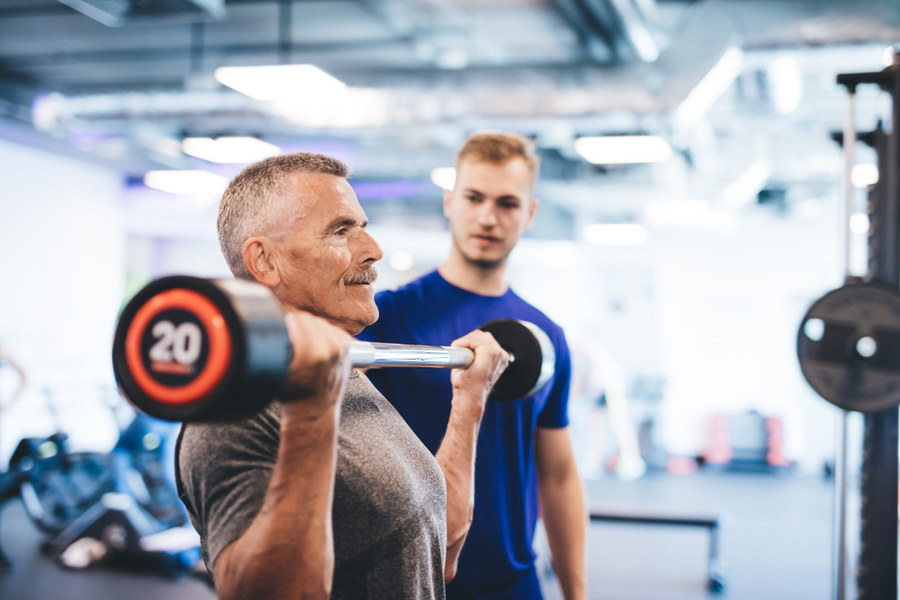
One of the biggest shifts after 40 is mental, not physical. You might not recover quite as fast, and the mirror won’t reflect overnight changes—but the results are still there.
Progress, not perfection
It’s tempting to compare yourself to your younger self, but muscle building in your 40s is about steady, sustainable progress. Celebrate consistent training sessions, small PRs, and better energy.
Aesthetics vs longevity
Yes, building muscle makes you look better—but the benefits go deeper. Stronger muscles mean better bone density, improved posture, reduced risk of falls later in life, and long-term independence.
Patience pays
Gains may come a little slower than they did in your 20s, but with consistency, they’re absolutely achievable. Think in months and years, not weeks.
Practical Takeaways
To put it all together, here’s what works best for most people in their 40s:
- Train 3–4 times per week with a mix of compound lifts and accessory work.
- Prioritise mobility and warm-ups before lifting.
- Use progressive overload intelligently—more reps, tempo, or volume, not just weight.
- Hit 1.6–2.2g of protein per kilo of bodyweight daily, spread across meals.
- Eat enough carbs to fuel performance and recovery.
- Supplement wisely with creatine, vitamin D, and omega-3s if needed.
- Sleep 7–9 hours and treat recovery as seriously as training.
- Focus on sustainable, steady gains—not chasing your 20-year-old PBs.
Building muscle after 40 isn’t just possible—it’s vital. It keeps you strong, protects your health, and proves that age is no barrier to progress. The rules may have changed slightly since your 20s, but the rewards are greater too.
Approach training with intelligence, respect recovery, and fuel your body properly. Do that, and your 40s could become your strongest decade yet.