

Creatine is one of the most researched and effective supplements for improving strength, increasing lean muscle mass, and enhancing exercise performance. Yet despite its long-standing reputation for safety and effectiveness, creatine is still surrounded by persistent myths, especially when it comes to bloating and water retention.
Many people avoid creatine altogether because they fear looking puffy, feeling uncomfortable, or experiencing digestive issues. In reality, most of these concerns stem from misunderstandings about how creatine works in the body and from confusing different forms of creatine with one another. In this article, we are covering what you need to know about creatine, bloating, and if it can be avoided.
What Is Creatine and Why Does Water Matter?
Creatine is a naturally occurring compound made from three amino acids and stored primarily in muscle tissue. Its primary role is to help regenerate ATP, the body’s quick energy source during short, intense bursts of activity. Creatine draws water into muscle cells, increasing intracellular hydration. This process supports performance, recovery, and strength gains. Importantly, this water is stored inside the muscle, not under the skin.
That distinction matters because intracellular water is not bloating. It contributes to fuller, denser-looking muscles, not a soft or swollen appearance. Two of the most common forms, creatine monohydrate and creatine hydrochloride (HCL), behave slightly differently when it comes to digestion, dosing, and water handling, and understanding those differences is key to separating fact from fiction.
Water Retention vs. Bloating: Clearing the Confusion

One of the biggest misconceptions around creatine is the idea that all water weight equals bloating. In reality, these are two very different processes:
- Water retention from creatine is intracellular and beneficial, as it supports muscle function and performance.
- Bloating refers to digestive discomfort: gas, abdominal distension, or a feeling of heaviness in the stomach.
Many people mistakenly blame creatine for bloating when what they’re actually noticing is normal muscle hydration or a temporary digestive response to how the supplement is taken.
Why Creatine Monohydrate Can Cause Digestive Discomfort for Some
Creatine monohydrate has earned its place as the most studied and widely used form of creatine. That said, it isn’t tolerated equally by everyone.
Several factors can contribute to digestive discomfort with creatine monohydrate:
- Lower Solubility: Monohydrate doesn’t dissolve as easily in liquid, which can leave undissolved particles sitting in the stomach.
- Larger Dose Size: Standard dosing is 3–5 grams per day, and traditional loading phases can reach 20 grams daily.
- Osmotic Effects in the Gut: In some individuals, undissolved creatine can pull water into the intestines, causing temporary bloating or cramping.
None of this is harmful, but it can be uncomfortable, particularly for those with sensitive digestion.
Is Creatine HCL Less Likely to Cause Bloating?
Creatine HCL was developed as an alternative for individuals who experience digestive issues with monohydrate. By binding creatine to hydrochloric acid, its solubility in water increases significantly.
This improved solubility leads to several practical benefits:
- Faster dissolution and smoother mixing
- Smaller effective doses
- Less residue in the stomach
- Reduced digestive burden
Because there’s less undissolved powder and a lower total dose, many people report noticeably fewer GI symptoms with creatine HCL.
Managing Water Balance While Using Creatine
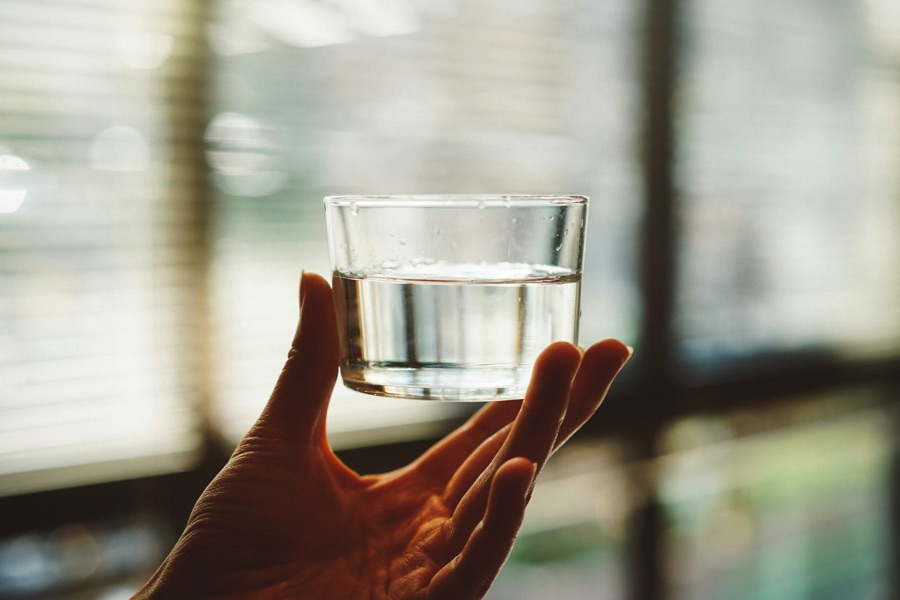
Even though creatine-related bloating is uncommon and usually mild, hydration and electrolyte balance play a role in how comfortable supplementation feels.
Helpful strategies include:
- Maintaining consistent daily hydration, rather than suddenly increasing water intake
- Spacing creatine doses with meals
- Avoiding stacking creatine with large amounts of caffeine or acidic drinks
- Ensuring adequate sodium and potassium intake, especially for active individuals
Some formulations also include gentle, plant-based ingredients designed to support fluid balance. For example, organic prickly pear extract has traditionally been used to help regulate hydration and electrolyte balance, which may support comfort during creatine use, particularly during the initial adjustment phase.
This creatine HCL powder contains organic prickly pear extract, which is a natural powerhouse for maintaining water balance that helps you look lean and feel light while building real muscle.
Practical Tips to Minimize Bloating
Regardless of which creatine you choose, these strategies improve tolerance:
- Start with a smaller dose and gradually increase
- Always mix thoroughly until fully dissolved
- Take creatine with food rather than on an empty stomach
- Stay consistently hydrated throughout the day
- Skip loading phases if you’re prone to GI sensitivity
Most people find that once their body adapts, any initial discomfort disappears within a few days.
Summary
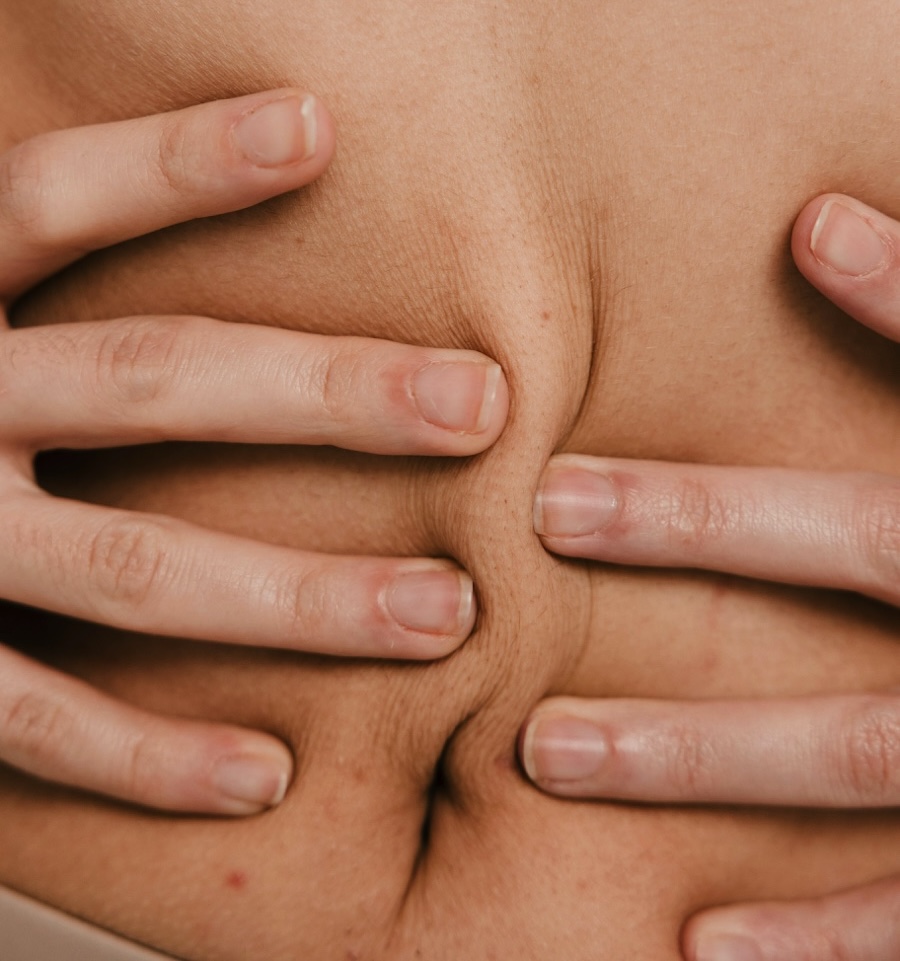
For individuals sensitive to digestive issues, creatine HCL is generally less likely to cause bloating due to its higher solubility and lower required dose. That doesn’t mean monohydrate is “bad”, as many people tolerate it perfectly well and see excellent results.
The key takeaway is that creatine itself is not the problem. How it’s dosed, dissolved, and tolerated varies from person to person. When creatine feels comfortable, it’s easier to take consistently and consistency is what drives results.