

Few things ruin a run faster than earbuds that won’t stay put. You’re in your stride, music driving you forward, and then one slips loose. Suddenly you’re fumbling mid-pace, breaking rhythm, and cursing your choice of kit. It’s a small problem, but one that every runner has experienced at some point — and it can make the difference between a smooth workout and a frustrating one.
The good news is that you don’t need to accept it as part of running. With the right knowledge, small adjustments, and perhaps a rethink of the type of headphones you use, you can keep your soundtrack steady from the first step to the last.
Why Headphones Fall Out When You Run
The first thing to understand is that it isn’t your fault. You’re not wearing them wrong.
Earbuds and headphones fall out because most designs are made for general use, not the demands of running. Movement shakes them loose, sweat reduces grip, and fit issues become obvious once you’re in motion. Everyone’s ears are shaped differently, and what feels snug when you’re sitting still at home can feel completely different on the road.
Even the design plays a part. Heavier models with poor balance are more likely to bounce, and if you’re still using wired headphones, the simple tug of a swinging cable can be enough to work them loose. Recognising these causes helps you focus on the solutions. Instead of blaming your ears, you can look at how to counteract sweat, movement and poor design with practical fixes.
Features to Look Out For to Stop Them Falling Out

Some headphones are naturally better suited to running than others. A lightweight build is a big advantage, as the less mass there is to bounce around, the more stable they’ll be. Designs with hooks that wrap around the ears or rubber fins that press into the inner curve of your ear offer much more security than smooth plastic buds that rely only on friction. Bands or straps that connect behind the head can also provide extra stability without weighing you down.
Another overlooked factor is sweat resistance. Headphones that repel moisture won’t lose grip as quickly, and they’ll last longer too. Even if you’re not shopping for a new pair, knowing to look for these features can help you choose more wisely when the time comes.
Fit Hacks Worth Trying
Even if you already own a pair that tends to slip, there are practical hacks that can make them far more usable for running. A few of the simplest include:
- Swapping ear tips for a larger, smaller, or foam version to create a snug seal.
- Wearing earbuds upside down so the cable loops over the ear.
- Using a headband or sweatband to pin them in place while also absorbing moisture.
- Managing cables by clipping them to your shirt or looping them behind your head and under your top.
Even something as basic as drying your ears before you head out can make a surprising difference, as natural oils and early sweat reduce grip straight away. These tweaks cost nothing, but they can transform the running experience.
Alternatives if Nothing Works
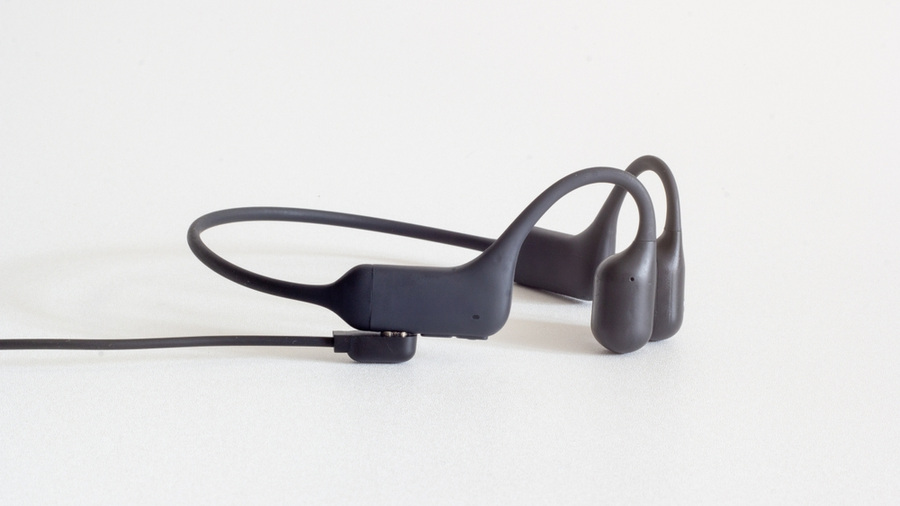
Of course, sometimes the problem isn’t you or the fit, but the design itself. If you’ve tried all the tricks and your earbuds still won’t behave, it might be worth looking at alternatives. Bone-conduction headphones are a popular choice with road runners. Instead of going inside your ears, they rest just in front of them and send sound through your cheekbones. That means there’s nothing to fall out, and you can still hear what’s going on around you — which is safer if you’re running near traffic.
Lightweight over-ear models designed specifically for sport are another option. They’re not the bulky cans you might wear at home, but slim designs that stay put without bouncing. Clip-on headphones, while a bit old-school, can also do the job. They hook around the ear rather than pushing inside it, which means less worry about movement or sweat loosening the fit.
The key point is that you don’t have to force a design that doesn’t suit your running. Sometimes the best fix is a different style altogether.
When to Replace Them
Headphones, like trainers, have a lifespan. If yours used to stay secure but now slip constantly, they may simply be worn out. Common signs include:
- Ear tips that are stretched, torn, or slipping off easily.
- Loss of sweat resistance, meaning they slide more during workouts.
- Cracked or stiff plastics that no longer flex comfortably.
- Noticeably degraded sound quality.
Replacing worn parts — such as tips or fins — can sometimes restore a good fit, but eventually a new pair will be the only option.
Why it Matters
It might sound like a small annoyance, but keeping your headphones secure has a bigger impact than you think. Music is more than just background noise for runners — it sets rhythm, boosts motivation, and provides distraction when the miles get tough. A podcast or audiobook can turn a long run into an escape rather than a slog. When you lose that because your gear won’t cooperate, it doesn’t just interrupt your pace, it interrupts the whole experience.
The encouraging part is that you don’t need to spend a fortune or chase the latest model to fix it. Understanding why headphones fall out, making a few simple adjustments, and choosing a design that works for your ears and running style is usually enough. A bit of trial and error is involved, but once you find the right setup, you’ll wonder how you ever put up with constant interruptions.
Running is hard enough without distractions. With the right approach, your headphones can stay where they belong — and your focus can stay on the miles ahead.