
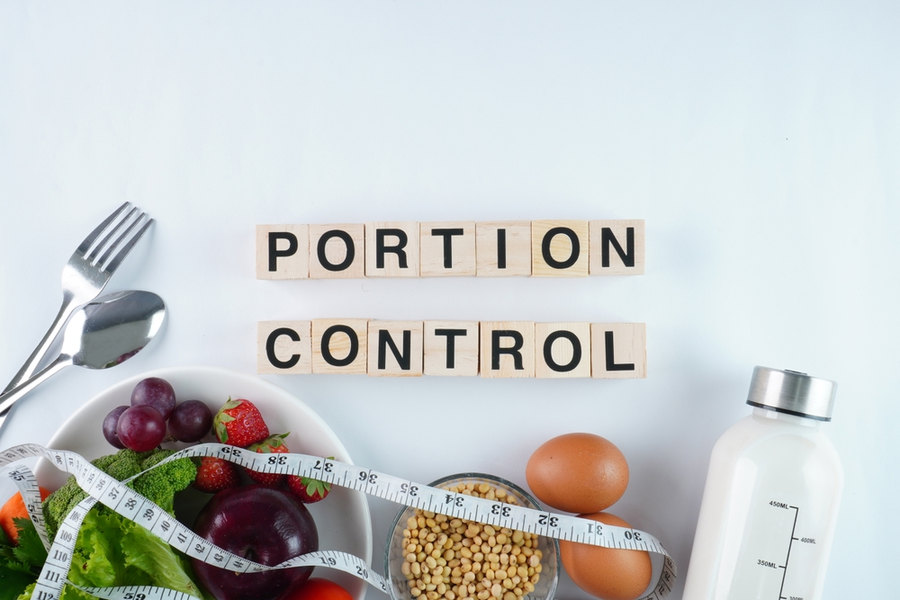
If you’ve ever tried to lose weight, there’s a good chance you’ve been told to cut carbs, cut sugar, cut fat, or cut something else entirely. What usually gets missed is a much simpler lever you can pull: how much you’re eating.
Portion control isn’t glamorous and it doesn’t promise dramatic results in two weeks. What it does offer is something far more useful – a way to reduce calorie intake without wrecking your energy, your training, or your relationship with food. For most people, that’s exactly what sustainable weight loss needs.
Why Portion Control Actually Works
Weight loss only happens when calorie intake is consistently lower than calorie output. That part isn’t controversial. Where people struggle is creating that deficit without feeling constantly hungry or restricted.
Portion control works because it nudges calorie intake down without demanding a total overhaul of what you eat. You’re not banning foods or following rigid rules. You’re simply eating slightly less, more often than not.
In the UK, portion sizes have quietly crept up over the years. Plates are bigger. Takeaways are larger. “Normal” servings of pasta, cereal, or rice are often double what most people actually need. If your weight has slowly increased over time, this is usually a big part of why.
By pulling portion sizes back to something more appropriate, many people find they lose weight without feeling like they’re dieting at all.
Where Most People Go Wrong
One common mistake is assuming that healthy food doesn’t need portioning. Nuts, olive oil, granola, avocado, and even fruit are all nutritious, but they still contain calories. Eating large portions of them every day can easily cancel out any calorie deficit you’re trying to create.
Another issue is relying on guesswork. Most people underestimate portion sizes, particularly with carbohydrates and fats. A “normal” bowl of cereal can be two or three servings without you realising. A casual pour of oil can add hundreds of calories to a meal.
Then there’s eating straight from packets. This almost always leads to overeating, not because of hunger, but because there’s no natural stopping point. Portion control starts to fall apart when food has no defined end.
At the other extreme, some people go too far and shrink portions aggressively. This often leads to constant hunger, low energy, poor workouts, and eventually overeating. Portion control is not about eating as little as possible. It’s about eating enough to function well while still supporting fat loss.
What A Sensible Portion Looks Like
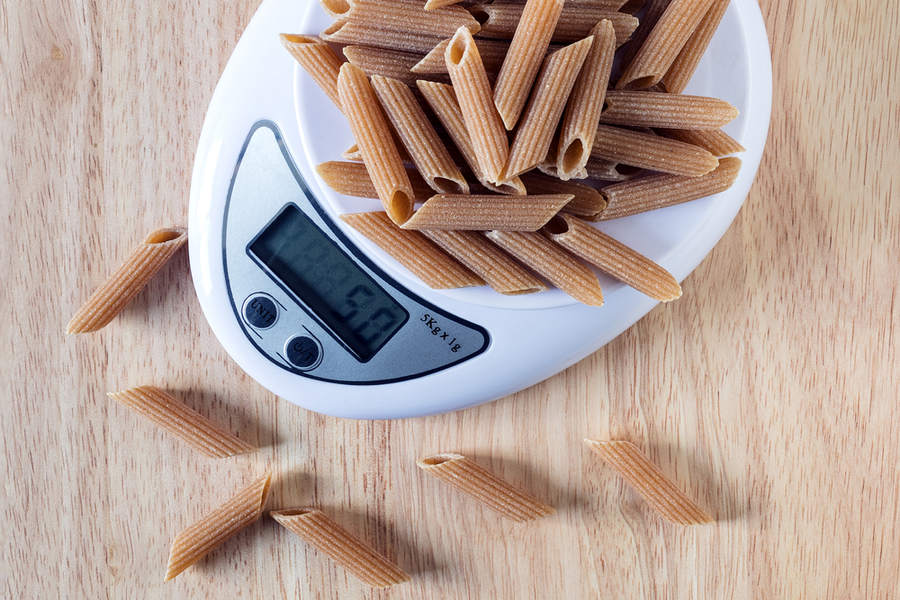
You don’t need to weigh every meal or track calories forever to get portion control right. In practice, simple visual guides work well and are commonly used in the fitness industry.
A rough starting point for most meals looks like this:
- A palm-sized portion of protein
- A cupped-hand portion of carbohydrates
- A thumb-sized portion of fats
- Vegetables making up a large part of the plate
This approach scales naturally with body size and is far easier to stick to than strict numbers. It’s also flexible enough to work whether you’re cooking at home or eating out.
Using smaller plates and bowls can also help. People tend to serve and eat less without feeling less satisfied, simply because the portion looks more substantial on a smaller plate.
If you’ve never measured food before, doing it occasionally can be useful. Not as a permanent habit, but as a way to recalibrate your eye. Once you’ve seen what a realistic portion actually looks like, you can usually estimate more accurately going forward.
Making Portion Control Work Day To Day
One of the simplest but most effective changes you can make is slowing down when you eat. Eating quickly makes it easy to overshoot fullness because your body hasn’t had time to register that you’ve had enough. Taking your time, chewing properly, and pausing between bites can reduce overeating without any conscious restriction.
Protein and fibre should be priorities. Meals that include a decent protein source and plenty of vegetables tend to be more filling per calorie. This makes it far easier to manage portions without feeling deprived.
Planning meals helps more than people realise. When meals are planned, portions are intentional. When they’re not, it’s easy to default to convenience foods that are designed to be eaten in large quantities.
Snacks are another area where portion control often breaks down. Pre-portioning snacks into small containers rather than eating from big bags can make a huge difference over a week.
Eating out doesn’t mean portion control goes out the window. You don’t need to be awkward or restrictive. Sharing dishes, choosing meals with a clear protein base, or simply leaving food behind are all realistic options. You’re allowed to stop eating when you’ve had enough.
Avoiding Obsession And Staying Consistent

Portion control should feel boring in the best possible way. If it starts to feel stressful or obsessive, something needs adjusting.
You don’t need to be perfect. Social events, holidays, and the occasional big meal won’t undo progress. What matters is what you do most of the time, not what you do occasionally.
Learning to recognise hunger and fullness cues is also important. Eating because you’re genuinely hungry and stopping when you’re comfortably full is a skill, and like any skill, it improves with practice.
Portion needs can also change. If you’re training harder, walking more, or feeling run down, portions may need to increase slightly. Portion control isn’t static. It should adapt to your lifestyle, not fight against it.
Why Portion Control Beats Extreme Diets
Quick-fix diets tend to rely on severe restriction. They might work briefly, but they’re rarely sustainable. Energy drops, training suffers, and weight often comes back once normal eating resumes.
Portion control takes the opposite approach. It builds awareness rather than rules. It teaches you how to eat in a way that fits real life, not just a short dieting phase.
That’s why it’s so commonly recommended by health professionals and used successfully by people who keep weight off long term.
A Practical Foundation For Long-Term Weight Loss
Portion control isn’t about tiny meals or constant hunger. It’s about eating amounts that match your needs, most of the time, without turning food into a daily battle.
When combined with regular movement, sensible training, and adequate recovery, portion control gives you a solid, realistic foundation for weight loss. It may not be flashy, but it works – and more importantly, it lasts.