
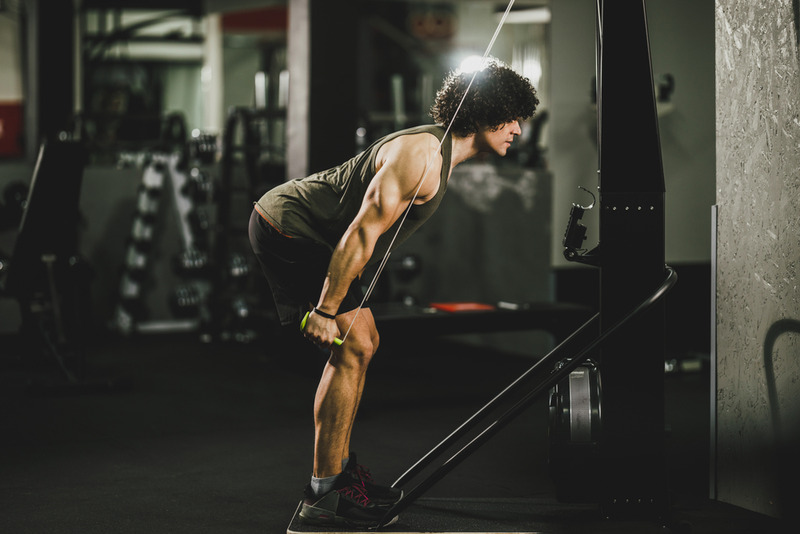
If you’ve noticed more people hunched over a strange upright machine in the corner of your gym — pulling down on two cables like they’re skiing downhill — that’s the SkiErg. Once something you’d only find in CrossFit boxes or specialist training studios, it’s now popping up everywhere. Even home gym setups are getting them in.
It’s easy to assume this is just another passing fitness fad, but the SkiErg’s rise isn’t random. It’s effective, versatile, and genuinely different from most of the cardio kit out there. And if you train seriously — whether for strength, endurance, or general conditioning — it’s worth your attention.
What The SkiErg Actually Does
At first glance, it looks like a vertical rower. You stand, grab the handles, and drive them down in a powerful double-pole motion — much like a cross-country skier propelling forward. Each pull hits the lats, triceps, abs, shoulders, and posterior chain in one fluid sequence.
But here’s what sets it apart: the SkiErg forces you to coordinate the entire upper body while bracing hard through your core and controlling your breathing. You can’t simply “switch off” and pedal away like you might on a bike. Every stroke demands effort and rhythm, which makes it as mentally engaging as it is physical.
From a physiological standpoint, it’s a low-impact, full-body exercise that blends muscular endurance with aerobic conditioning. The pulling motion engages large muscle groups without stressing the joints, making it accessible to people recovering from lower-body injuries or those looking for an alternative to running or rowing.
The Real Reason It’s Everywhere Right Now
One big factor behind its rise is the explosion of hybrid fitness competitions — particularly Hyrox. If you’re not familiar, Hyrox is a global event combining running and functional strength stations, and the SkiErg is one of its signature elements. Competitors train hard on it because the event demands both power and stamina, and that visibility has made the machine something of a badge of honour for serious gym-goers.
But there’s more to the story. The SkiErg fits modern training habits perfectly. It takes up less space than a rower, requires no complicated setup, and delivers both cardiovascular and muscular stimulus in one go. For gym owners, that’s an easy sell; for users, it’s a chance to push conditioning without spending 40 minutes on a treadmill.
There’s also the simple novelty factor. Many people have spent years cycling through the same cardio machines — bike, treadmill, rower, repeat. The SkiErg offers a different challenge: upper-body dominant, rhythm-based, and brutally efficient. You don’t coast on a SkiErg. You either commit or you don’t last long.
Why It Deserves A Place In Your Training
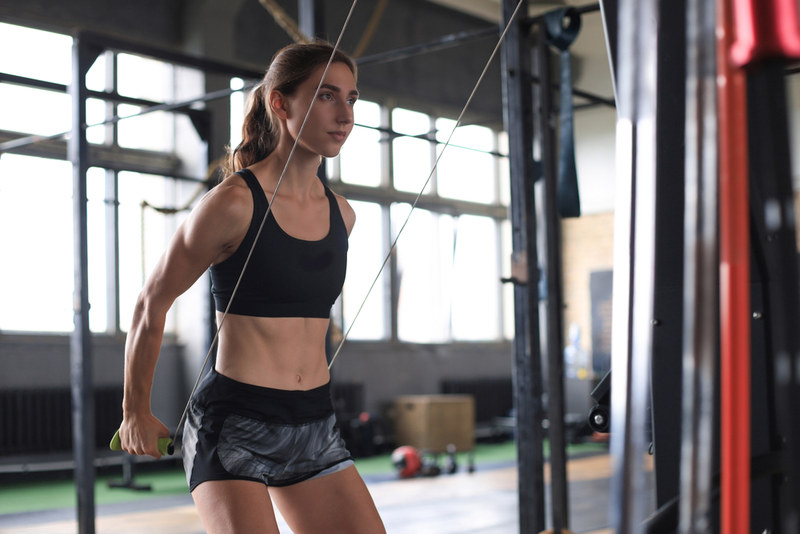
For most lifters and recreational athletes, the biggest attraction is that it strengthens while it conditions. Traditional cardio tends to underload the upper body, but the SkiErg changes that completely. Every drive down reinforces shoulder stability, triceps endurance, and scapular control — all things that carry over directly to pressing and pulling in the gym.
It’s also a great equaliser for those who rely heavily on leg-dominant work. If your usual sessions revolve around squats, lunges, or deadlifts, the SkiErg gives your joints a break while still keeping your heart rate high. Because it’s low-impact, you can slot it in on recovery days or use it to warm up before heavy lifting sessions.
From a coaching perspective, I’ve found it particularly useful for building core endurance under fatigue. You have to stay braced throughout every pull, resisting extension and rotation. Over time, that stability transfers into cleaner lifting mechanics and better posture — especially for people who spend all day seated.
The Skill Element: Why Technique Matters
The SkiErg might look simple, but good technique transforms the experience. The power should come from a coordinated hinge through the hips and a strong downward drive through the lats — not frantic arm-pulling. Think of it like a standing pullover combined with a crunch.
When people first jump on, they often shorten the range or overuse their shoulders. That not only limits the training effect but also makes the movement inefficient. The goal is smooth, powerful strokes with consistent rhythm and control on the return. Like rowing, the magic lies in pacing — once you find your tempo, you can sustain far higher output without blowing up.
Where It Fits In A Programme
You can use the SkiErg in several ways, depending on your goals:
- As a finisher: A few all-out sprints to close a strength session.
- As interval work: Alternate 30–60 seconds on, 60–90 seconds off for ten rounds.
- For steady-state conditioning: Twenty minutes at a moderate pace, focusing on rhythm and breathing.
- In circuits or hybrids: Combine 500m SkiErg bursts with bodyweight or kettlebell work.
It also makes an excellent warm-up tool for upper-body days — you’ll get the shoulders moving, the lats activated, and the heart rate up without fatigue setting in too early.
What To Watch Out For
Because it’s upper-body dominant, you’ll feel fatigue in your arms and shoulders before your lungs give out. That’s normal. The key is to pace early — if you sprint from the first pull, you’ll crash halfway through. Aim to build intensity gradually, especially in your first few sessions.
And while it’s a fantastic conditioning tool, it’s not a complete replacement for leg-driven cardio. The SkiErg should complement your training, not dominate it. Alternate it with rowers, bikes, or incline walking to keep your conditioning well-rounded and your movement patterns balanced.
How It Compares To Other Machines
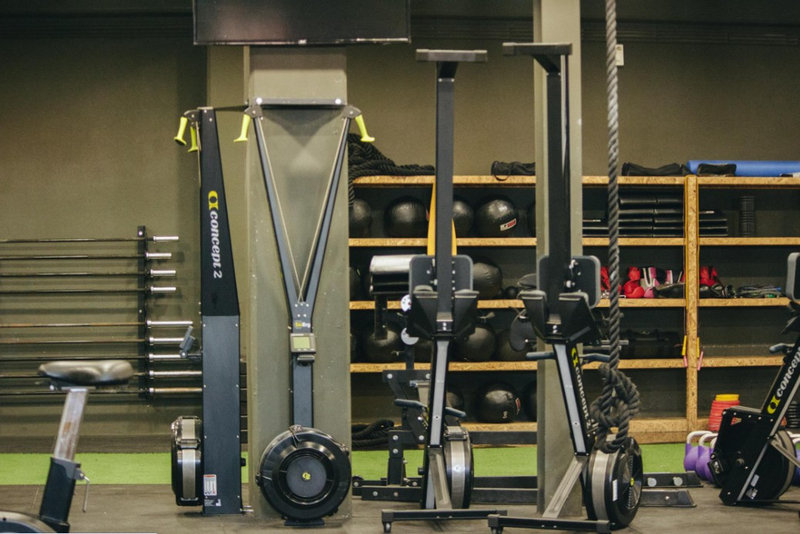
Compared to a rower, the SkiErg removes the seated position and reverses the movement — instead of pushing with the legs and pulling with the back, you pull from above while standing tall. That difference engages more core and shoulder work but slightly less lower-body drive.
Against an Assault Bike, the SkiErg feels more precise. The bike rewards aggression; the SkiErg rewards rhythm and control. You can’t fake efficiency on it — if your movement breaks down, your output nosedives.
And versus a treadmill, it’s kinder on the joints and more forgiving for people with past knee or hip issues. You get the same cardiovascular return without impact or repetitive strain.
Final Word
The SkiErg has gone from niche to mainstream for a reason. It’s simple but brutally effective, combining upper-body strength, core stability, and conditioning in one movement. Whether you’re training for Hyrox, recovering from injury, or just looking for something fresh that actually delivers, this machine earns its floor space.
It’s not about jumping on every new fitness trend — it’s about recognising when a piece of equipment genuinely adds something new. And the SkiErg does exactly that. Once you’ve felt what a few hundred metres at full effort feels like, you’ll understand why everyone’s suddenly skiing indoors.