
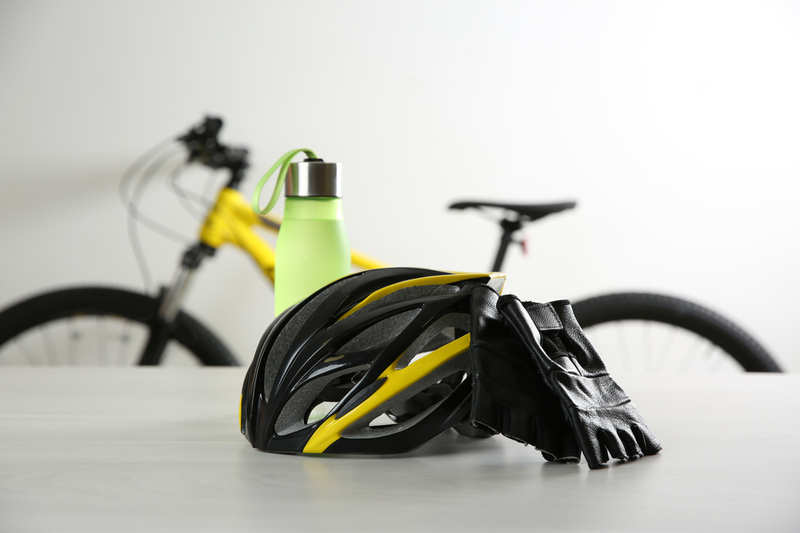
If you spend more than five minutes around cycling content—whether that’s YouTube, Instagram, or a quick scroll through online shops—you could be forgiven for thinking you need a full kit before you even turn a pedal.
Tight jerseys, padded shorts, clip-in shoes, expensive helmets, sunglasses that look like they belong on a Formula 1 driver—it’s a lot. And for a beginner, it can feel like you’re underprepared without it.
The reality is much simpler. Most of that gear exists for a reason, but very little of it is essential when you’re just starting out. The key is knowing what actually matters, what can wait, and what’s purely optional.
What You Actually Need To Start Cycling
At the absolute minimum, you need three things: a working bike, a helmet, and something comfortable to wear.
That’s it.
A safe, roadworthy bike is non-negotiable. It doesn’t need to be expensive, but it does need functioning brakes, properly inflated tyres, and a drivetrain that isn’t falling apart. Beginners often overestimate how much bike they need, when consistency matters far more than equipment.
A helmet is also essential. Not because it improves performance, but because it protects you when things go wrong—and they occasionally do, especially when you’re new and still getting used to handling the bike.
As for clothing, you don’t need anything specialist straight away. A basic pair of shorts or joggers and a breathable top will do the job. Comfort matters more than appearance at this stage.
Why Specialist Cycling Gear Exists
Before writing it off completely, it’s worth understanding why cycling gear exists in the first place.
Most of it is designed around three things: comfort, efficiency, and practicality over longer rides.
Padded shorts reduce pressure and friction when you’re in the saddle for extended periods. Cycling jerseys are designed to wick sweat, fit close to the body to reduce drag, and include pockets that are actually useful while riding. Clip-in shoes improve power transfer between your legs and the pedals.
None of this is pointless—but it’s also not essential when your rides are short, your intensity is moderate, and you’re still figuring out whether cycling is something you’ll stick with.
The Biggest Mistake Beginners Make
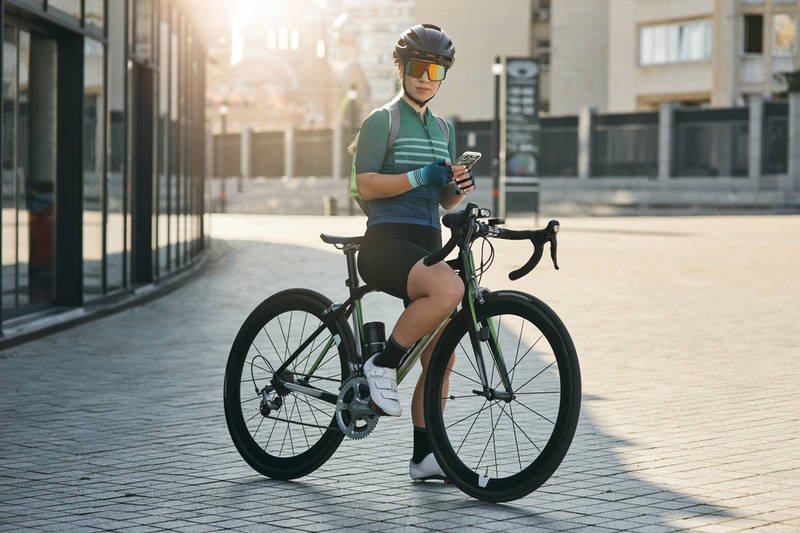
The most common mistake isn’t avoiding gear—it’s buying too much of it too soon.
There’s a tendency to think better equipment will make the process easier or more enjoyable. In reality, it often just adds pressure. Suddenly you feel like you need to “live up” to the kit, or justify the money spent.
Worse, beginners often don’t yet know what they personally need. Buying high-end gear without experience usually leads to poor choices—wrong fit, unnecessary features, or simply gear that doesn’t suit how you actually ride.
Cycling is one of those activities where your preferences develop over time. Jumping straight to specialist gear skips that learning phase.
When Cycling Shorts Start To Make Sense
Out of all the specialist gear, padded cycling shorts are usually the first upgrade that genuinely makes a difference.
If you’re riding for more than 45–60 minutes regularly, you’ll start to notice discomfort from the saddle. That’s where padded shorts come in—they’re designed to reduce friction and distribute pressure more evenly.
That said, you don’t need them for short rides. If you’re doing 20–30 minute sessions a few times a week, standard gym wear is perfectly fine.
The key is responding to a real problem. If you’re uncomfortable, it’s worth considering. If you’re not, there’s no need to rush out and buy them.
Do You Need A Cycling Jersey?
Cycling jerseys are one of the most visible bits of kit, but they’re far from essential for beginners.
A decent gym top will handle sweat just fine, and unless you’re riding at higher speeds or in strong winds, the aerodynamic benefits of a tight jersey are negligible.
Where jerseys do become useful is on longer outdoor rides. The rear pockets are genuinely practical for carrying essentials like your phone, snacks, or a small repair kit. The fit also prevents excess fabric from flapping around, which can get annoying over time.
But again, this is a convenience upgrade—not a requirement.
Clip-In Shoes And Pedals: Worth It Or Overkill?
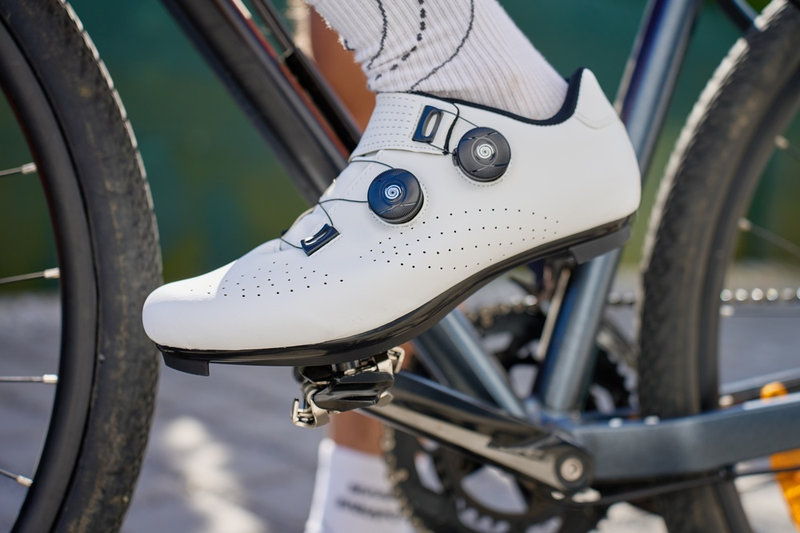
Clip-in pedals (where your shoes attach to the pedals) are often seen as a “serious cyclist” upgrade, but they’re one of the least necessary changes for a beginner.
They do improve efficiency by allowing you to apply force throughout the pedal stroke, not just when pushing down. Over time, that can make a difference.
However, they also come with a learning curve. Getting in and out of them takes practice, and there’s a very real risk of the classic slow-motion fall when you forget to unclip at a stop.
For beginners, standard flat pedals are more than enough. They’re simple, safe, and effective. Clip-in systems only really make sense once you’re riding regularly and looking to optimise performance.
Helmets, Gloves, And Extras
Helmets aren’t optional—they’re essential. But beyond that, most accessories fall into the “nice to have” category.
Gloves can improve comfort by reducing pressure on your hands and providing a bit of grip, especially on longer rides. They’re not critical, but they can be a worthwhile addition if you start to notice discomfort.
Sunglasses, base layers, and weather-specific gear (like waterproof jackets) become more relevant depending on how often and where you ride. If you’re commuting or riding in varied conditions, they can make a big difference.
But again, these are gradual additions, not day-one purchases.
Indoor Cycling Is Even Simpler
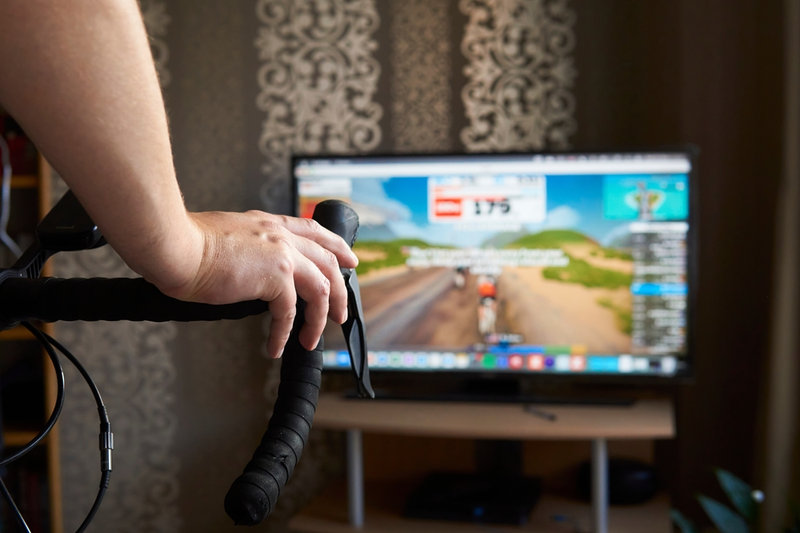
If you’re cycling at home—on a spin bike or turbo trainer—the need for specialist gear drops even further.
There’s no wind resistance, no weather, and no need to carry anything with you. That removes most of the reasons cycling-specific clothing exists.
Comfortable gym wear and supportive trainers are usually all you need. The only upgrade that might come into play over time is padded shorts, especially for longer sessions.
Everything else is optional.
Focus On Consistency, Not Kit
At the beginner stage, the biggest gains don’t come from equipment—they come from consistency.
Riding regularly, building up your fitness, and getting comfortable on the bike will do far more for your progress than any piece of gear. It’s easy to get distracted by the idea that better kit leads to better results, but in cycling, that only really applies once you’ve built a solid foundation.
In fact, keeping things simple often makes it easier to stay consistent. There’s less friction, less pressure, and fewer excuses.
Build Your Gear Around Your Needs
The best approach is to let your gear evolve naturally.
Start with the basics. Ride consistently. Pay attention to what feels uncomfortable or limiting. Then upgrade based on that experience.
If longer rides start to cause discomfort, consider padded shorts. If you’re carrying more items, a jersey might help. If you’re pushing for performance, clip-in pedals could be worth exploring.
Each piece of gear should solve a problem—not create one.
Specialist cycling gear has its place, but it’s not a requirement for getting started.
You don’t need to look like a seasoned cyclist to begin riding like one. A safe bike, a helmet, and comfortable clothing are more than enough to get going.
Everything else can wait until you actually need it.