
If you’ve spent any time looking into training splits, you’ve probably come across Push Pull Legs—usually shortened to PPL. It’s one of the most widely used routines in modern training, sitting somewhere between full-body workouts and more traditional bodybuilding splits.
Like the bro split, it’s simple on the surface. But once you understand how it works, you start to see why so many lifters—especially natural ones—gravitate towards it.
What Is Push Pull Legs
Push Pull Legs is a training split that organises workouts based on movement patterns rather than individual muscles.
Instead of training one muscle group per day, you group exercises like this:
- Push: Chest, shoulders, triceps
- Pull: Back, biceps
- Legs: Quads, hamstrings, glutes, calves
Each session focuses on muscles that work together during similar movements. For example, pressing exercises (like bench press or shoulder press) all fall under “push,” while rowing and pulling movements go into “pull.”
A typical weekly structure might look like:
- Day 1: Push
- Day 2: Pull
- Day 3: Legs
- Day 4: Rest
- Day 5: Push
- Day 6: Pull
- Day 7: Legs or Rest
That setup allows you to train each muscle group twice per week, which is one of the key reasons PPL is so popular.
Why People Use PPL
The biggest advantage of Push Pull Legs is training frequency.
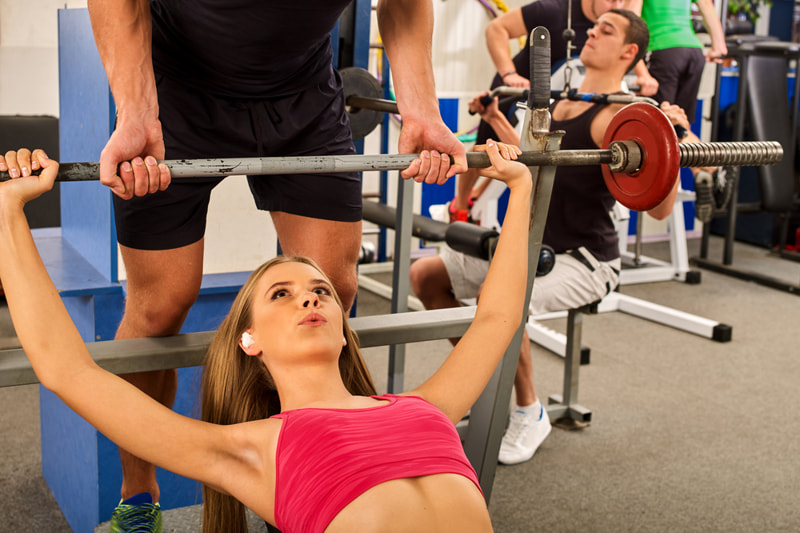
Most research and real-world experience point towards hitting each muscle group around twice per week as a strong baseline for muscle growth. PPL makes that easy to achieve without overcomplicating things.
It also balances volume well. Instead of cramming 15–20 sets for one muscle into a single session (like a bro split often does), you spread that work across two sessions. That usually means better performance per set and less fatigue.
Another benefit is efficiency within a workout. Because exercises are grouped by movement pattern, you’re not constantly switching between unrelated lifts. Everything in the session complements what you’ve already done.
And from a practical point of view, it’s flexible. You can run it as a 3-day, 4-day, or 6-day routine depending on your schedule.
Where It Falls Short
Push Pull Legs isn’t perfect, and it’s not automatically the best option for everyone.
The most obvious downside is time commitment—especially if you run it as a 6-day split. That’s a lot of gym time, and if you start missing sessions, the structure can fall apart quickly.
There’s also the issue of fatigue overlap. On push days, your shoulders and triceps get worked alongside your chest. By the time you reach later exercises, those smaller muscles can already be tired, which may limit performance.
Similarly, pull days can become quite demanding if you’re stacking heavy rows, pull-ups, and accessory work into the same session.
Finally, it’s not always ideal for complete beginners. Full-body routines tend to be more effective early on because they maximise frequency with less complexity.
PPL Workout

Here’s a straightforward example of a PPL routine you can follow. This assumes a 6-day setup, but you can reduce it if needed.
Push Day
- Barbell bench press – 4 sets of 6–10 reps
- Incline dumbbell press – 3 sets of 8–12 reps
- Overhead press – 3 sets of 6–10 reps
- Lateral raises – 3 sets of 12–15 reps
- Tricep pushdowns – 3 sets of 10–12 reps
Pull Day
- Pull-ups or lat pulldown – 4 sets of 6–10 reps
- Barbell row – 3 sets of 8–12 reps
- Seated cable row – 3 sets of 10–12 reps
- Face pulls – 3 sets of 12–15 reps
- Barbell curls – 3 sets of 8–12 reps
Leg Day
- Squats – 4 sets of 6–10 reps
- Romanian deadlifts – 3 sets of 8–12 reps
- Leg press – 3 sets of 10–12 reps
- Hamstring curls – 3 sets of 10–15 reps
- Calf raises – 4 sets of 12–20 reps
You can repeat this cycle twice per week, or run it once if you’re training three days.
Who This Approach Works Best For
Push Pull Legs tends to suit intermediate lifters best—people who have moved past beginner full-body routines and want a bit more structure.
It’s particularly effective for natural lifters who benefit from training each muscle group more than once per week.
It also works well for anyone who likes a consistent rhythm. Once you’re into the cycle, you’re repeating the same structure regularly, which makes progression easier to track.
That said, beginners can still use a simplified 3-day version, and more advanced lifters often adapt PPL with higher volume or exercise variation.
How To Make It More Effective

Like any training split, PPL only works if you apply the basics properly.
Progressive overload still comes first. Whether that’s adding weight, increasing reps, or improving execution, you need some form of progression over time.
Managing volume is also important. Just because you’re training a muscle twice per week doesn’t mean doubling your total sets. Aim for a sensible weekly volume and split it across sessions.
Exercise selection matters more than people think. You don’t need endless variations—just a solid mix of compound lifts and a few well-chosen accessories.
Recovery is the final piece. A 6-day Push Pull Legs routine can be demanding, so sleep, nutrition, and rest days aren’t optional extras—they’re part of the plan.
Making Push Pull Legs Work In The Real World
Push Pull Legs looks great on paper, but the real test is whether it fits your actual routine.
If you’ve got the time and consistency to train five or six days per week, it can be one of the most effective setups out there. But if your schedule is unpredictable, forcing a strict PPL split can end up doing more harm than good.
The smart approach is to adapt it. Run a three-day version if that’s all you can manage. Add a fourth day when you have the time. Keep the structure, but make it work around your life rather than the other way round.
That flexibility is a big part of why PPL has stuck around. It’s not just effective—it’s adaptable, which is what most people actually need if they’re going to stay consistent long enough to see real results.