

Keeping fit is hard enough for most people, but for office workers, it’s even harder.
If you work at a desk, you’re not just “inactive” for part of the day. You’re spending hours in a position that actively works against how the human body is built to move.
Over time, this shows up as stiff hips, tight calves, weak glutes, sore knees, aching lower backs, and legs that feel heavy or sluggish by the afternoon. Even people who train regularly aren’t immune.
The issue isn’t sitting itself. It’s sitting for long, uninterrupted stretches.
What Sitting Does To Your Body
Your body relies on regular muscle contractions, particularly from large muscles in the legs, to manage blood sugar, support circulation, and keep joints healthy. When you sit for hours, those systems slow down.
One of the clearest effects is on how your body handles food. Breaking up sitting with short bouts of movement improves post-meal blood sugar and insulin responses. Light walking is consistently more effective than simply standing still because it activates the muscles responsible for clearing glucose from the bloodstream.
Sitting also changes how your muscles behave. With hips held in flexion all day, hip flexors tend to tighten while glutes contribute less. Over time, your body adapts to this pattern. You become good at sitting and worse at standing, walking, running, or lifting efficiently. This is why office workers often feel stiff yet weak at the same time.
Joint range takes a hit too. Hips lose extension, ankles lose movement, and once those two joints stop doing their job properly, the knees and lower back often compensate. That’s when niggles start appearing.
What Sitting Does To Your Legs
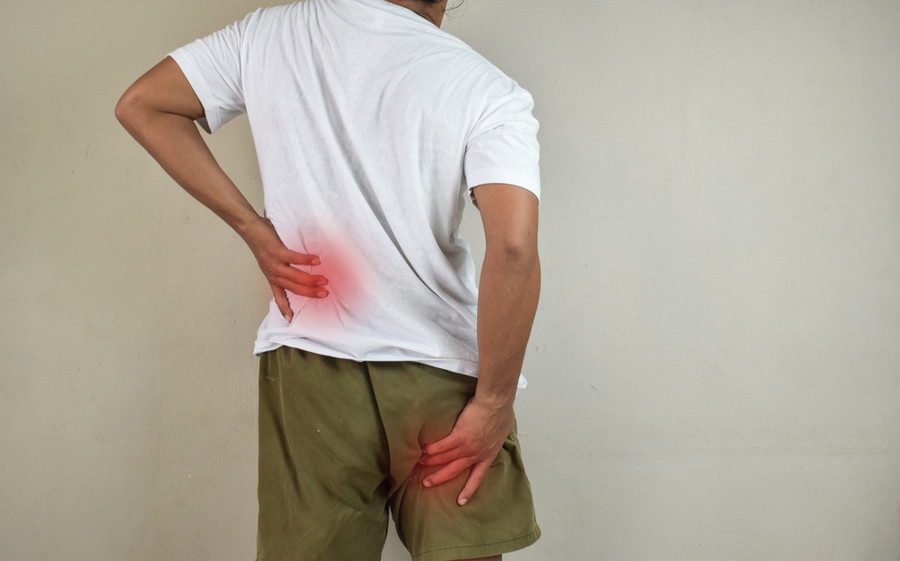
The legs take the biggest hit because they’re designed to move constantly.
When you walk, your calf muscles act like a pump, helping push blood back up from the lower legs. Sitting still shuts that system down. Blood pools more easily, leading to ankle swelling, heaviness, or that dull, dead-leg feeling by the end of the day.
Prolonged sitting has also been shown to impair vascular function in the legs. The takeaway is simple: blood vessels in the lower limbs respond better when you move regularly. Even small bouts of movement help, but walking works best.
In people with existing risk factors, long periods of immobility are also associated with a higher risk of deep vein thrombosis. Most healthy office workers won’t develop clots, but the guidance is clear: avoid long, uninterrupted sitting where possible.
Muscle balance matters too. When glutes are underused and hip flexors dominate, knee tracking and hip mechanics can suffer. Add weak hamstrings and calves into the mix, and the legs become strong in the wrong places and unreliable where stability is needed.
The Office Damage Loop
This is the cycle many office workers fall into:
You sit for hours. Hips tighten. Glutes switch off. Stride length shortens because hip extension is limited. Calf pumping drops, so the lower legs feel heavy. Then you try to train hard in the gym, but you’re doing it on top of restricted movement and poor muscle recruitment. Training still helps, but you’re constantly undoing the damage of the workday.
How To Combat This If You’re Office Based
The fix isn’t complicated. It comes down to two priorities:
- Break up sitting with frequent movement
- Rebuild strength and mobility in the muscles sitting deconditions
Movement Breaks
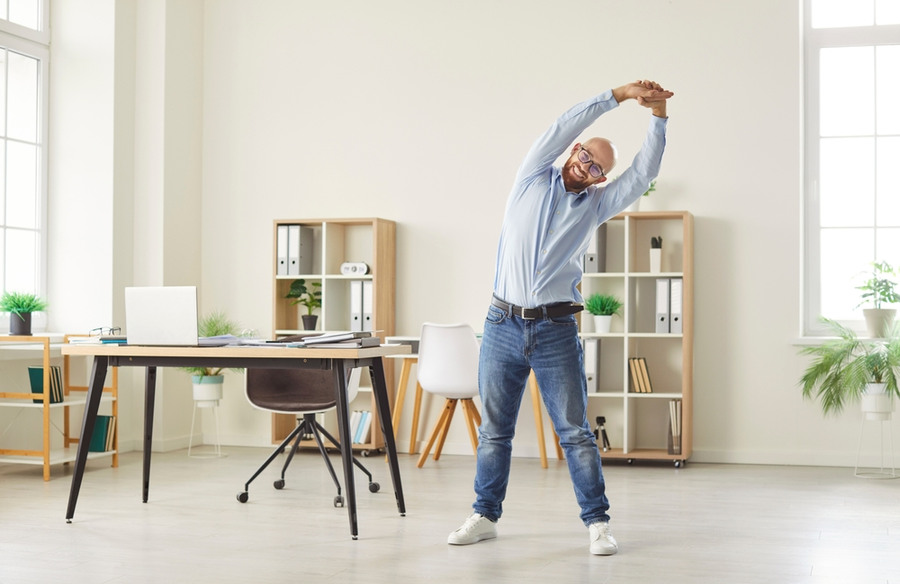
Every 30 to 60 minutes, get up and move for 2 to 5 minutes. That alone can make a meaningful difference.
Easy ways to do it:
- Walk to refill water
- Do a short lap before replying to emails
- Take phone calls standing and pacing
- Use stairs for a flight or two
- Walk to the furthest printer or toilet
It doesn’t need to be obvious or intense. Regular movement is the goal.
Leg-Focused Micro-Moves
You can also keep your legs working without leaving your desk:
- Ankle pumps: 20 to 30 reps each side
- Seated calf raises: 15 to 25 reps
- Standing calf raises: 2 sets of 12 to 20
- Glute squeezes: 10 reps with a 3-second squeeze
- Split-stance hip rocks: 30 seconds each side
This is basic maintenance, not a workout.
Desk Setup That Helps, Not Hurts
Avoid the obvious leg stressors:
- Feet unsupported or dangling
- Crossed legs for long periods
- Chair too high or too low
- Staying in one position all day
Standing desks only help if they encourage movement. Standing still for hours creates different problems, not fewer.
Strength Training To Undo Sitting
Two to three short strength sessions per week can reverse a lot of office damage if you train the right patterns:
- Hip hinges: Romanian deadlifts, kettlebell deadlifts
- Squats or split squats: goblet squats, reverse lunges
- Glute work: hip thrusts, bridges, step-ups
- Hamstrings: RDLs, curls, sliders
- Calves: straight-knee and bent-knee raises
The aim is functional strength, not soreness.
Daily Mobility
Five to ten minutes most days is enough:
- Hip flexor stretch with glute engagement
- Glute stretches
- Calf stretches
- Bodyweight squat holds
Consistency matters more than intensity with this.
The Bottom Line
Office work doesn’t ruin your body by default. Long, unbroken sitting does.
Break it up. Get your legs moving during the day. Train hips, glutes, and calves so they keep doing their job.
Do that consistently and your legs will feel lighter, stronger, and far less beat up by the end of the workday.