

If you’ve been going to the gym consistently for a while, you’ve probably had this moment:
One week you feel strong, everything moves well, and you’re adding weight without much trouble. Then the next week… it’s like you’ve taken a step backwards. The same weights feel heavier, your reps drop off, and nothing quite clicks.
It’s frustrating. And for a lot of people, it leads straight to the wrong conclusion — “I must be doing something wrong.”
In reality, strength doesn’t work in a straight line. It fluctuates. And once you understand why, those off days start to make a lot more sense.
Let’s break down what’s actually going on.
Strength Isn’t A Fixed Number
The first thing to get clear is this: your strength isn’t a constant.
It’s not like you “have” a set level of strength that shows up the same way every time you train. What you’re capable of on any given day depends on a mix of factors — some inside the gym, most outside it.
That’s why you can lift the same weight one week and feel comfortable, then struggle with it the next. It’s not that you’ve suddenly lost muscle. It’s that your body isn’t in the same state it was before.
Think of your strength more like a daily range than a fixed number. Some days you’re at the top of that range. Other days, you’re not.
Why Your Strength Drops Week To Week
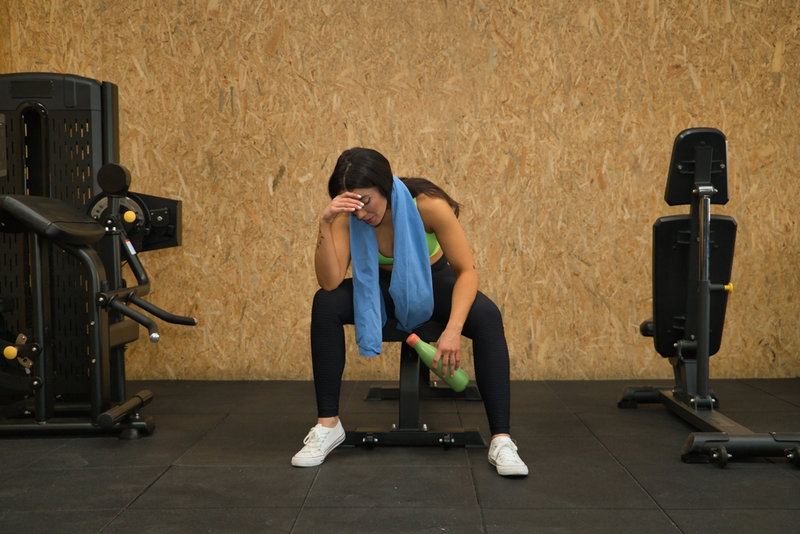
When your performance dips, it’s usually not down to one dramatic cause. It’s the build-up of small things that add up.
Sleep Is The Big One
If your sleep has been off, your strength will be too. It’s as simple as that.
Poor sleep affects:
- Energy levels
- Focus
- Coordination
- Recovery
You might still turn up and go through the motions, but you won’t perform the same way. Even losing an hour or two across a few nights can be enough to notice a drop.
Stress Carries Over Into Your Training
Stress doesn’t stay neatly in your day-to-day life — it follows you into the gym.
Work pressure, lack of downtime, general life stress… it all adds to the overall load your body is dealing with. That can leave you feeling flat, distracted, or just not fully switched on.
You might still complete your workout, but it’ll feel harder than it should.
Hydration And Food Matter More Than You Think
You don’t need a perfect diet to train well, but being under-fuelled or dehydrated will show up quickly.
If you’ve:
- Skipped meals
- Eaten less than usual
- Not had much water
then your performance will take a hit. Not dramatically, but enough to feel the difference.
Timing Can Throw Things Off
Even something as simple as when you train can affect how strong you feel.
Training earlier than usual, later than usual, or at a different point in your routine can all change how your body responds. If you’re used to evening sessions and suddenly go in the morning, don’t expect the same output straight away.
Why The Same Workout Can Feel Harder

This is one of the most confusing parts for people.
You’re lifting the same weights, doing the same exercises, but everything feels heavier. The effort is higher, even though nothing on paper has changed.
That comes down to fatigue.
Fatigue Builds Up Quietly
Even if you’re not increasing weights every session, training itself creates fatigue.
Over time, that builds up:
- Muscles get tired
- Your nervous system gets taxed
- Your general energy drops slightly
You might not notice it day to day, but it shows up in how your workouts feel.
Your Nervous System Plays A Role
Without getting too technical, your nervous system is what allows you to produce force — to actually lift the weight.
When you’re fresh, everything fires well. When you’re run down, it doesn’t.
That’s why:
- Weights feel slower
- Reps feel harder
- You lose a bit of sharpness
It’s not just about muscle — it’s about how ready your body is to perform.
Life Outside The Gym Adds To It
This is the part most people overlook.
If you’ve had a long week, poor sleep, and a lot going on, your body doesn’t separate that from your training. It all counts as stress.
So even if your workout hasn’t changed, your starting point has.
Why You Feel Stronger On Some Machines Than Others
Another common frustration: you feel solid and strong on one machine, then weak or awkward on another — even when the weight is similar.
This isn’t you being inconsistent. It’s how the equipment works.
Machines Are Built Differently
Not all machines are created equal.
Some are designed to:
- Support your movement more
- Keep you in a stronger position
- Reduce the need for stabilisation
Others require more control and coordination, even if they look similar.
That’s why you might:
- Lift more on one chest press machine than another
- Find one leg press easy and another much tougher
It’s not a fair comparison — even if it looks like it should be.
Your Body Leverages Matter
Everyone’s body is slightly different.
Things like:
- Limb length
- Joint angles
- Natural movement patterns
all affect how well you fit a machine.
If a machine lines up well with your body, you’ll feel stronger. If it doesn’t, it’ll feel awkward — and usually harder.
Stability Changes Everything
Some machines lock you into position and take balance out of the equation. Others don’t.
More stability generally means:
- You can focus purely on pushing or pulling
- You can handle more weight
Less stability means:
- More muscles are involved
- The movement feels harder overall
So again, it’s not a direct comparison.
Putting It All Together
When you combine all of this, those “off” workouts start to make a lot more sense.
It’s not that:
- You’ve suddenly lost strength
- Your training isn’t working
- You need to overhaul everything
It’s that your performance is influenced by a mix of factors:
- Sleep
- Stress
- Food and hydration
- Fatigue from previous sessions
- Time of day
- The equipment you’re using
Change any of those, and your workout can feel completely different.
How To Deal With It
The goal isn’t to control every variable — that’s not realistic. It’s to understand what’s happening so you don’t overreact.
Look At Trends, Not Single Sessions
One bad workout doesn’t mean anything on its own.
If your strength is:
- Slowly improving over weeks
- Mostly consistent with occasional dips
then you’re on the right track.
Adjust Your Expectations Day To Day
Some days you’ll feel strong. Some days you won’t.
Instead of forcing numbers, focus on:
- Good effort
- Solid form
- Getting the work done
That consistency matters more than hitting a specific weight every time.
Don’t Compare Machines Too Closely
Treat each machine as its own thing.
If you switch equipment or gyms, expect differences. Use it as a guide, not a strict measurement of strength.
Take Recovery Seriously
You don’t need a perfect routine — just cover the basics:
- Get decent sleep where you can
- Stay hydrated
- Eat enough to support your training
Those alone will smooth out a lot of the ups and downs.
What Most People Get Wrong
The biggest mistake is assuming every workout should feel the same.
It won’t.
Strength isn’t linear, and performance isn’t predictable day to day. Once you accept that, those frustrating sessions stop feeling like failures — they’re just part of the process.
And more often than not, your strength hasn’t disappeared at all.
It’s just having an off day.