
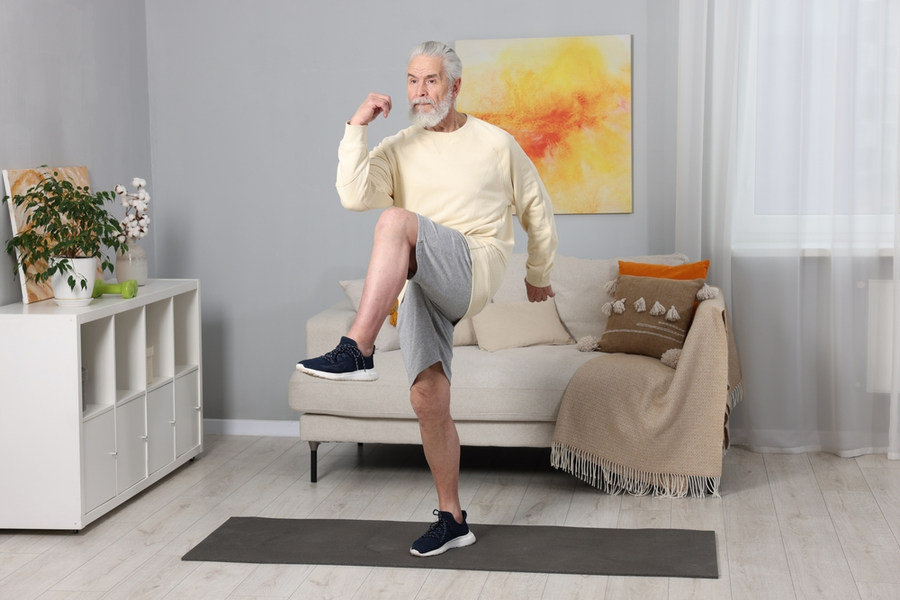
Retirement can be an opportunity to become more active. Without commuting and work taking up much of the day, there may finally be time for regular walks, gardening or a simple home fitness routine.
However, retirement can also remove movement that used to happen without much thought. Walking to the station, climbing office stairs, carrying bags and moving around a workplace may no longer be part of the day.
This is where functional fitness can help. The idea is simple: exercise in a way that supports everyday movements. Rather than training purely to lift heavier weights or burn calories, you focus on staying strong, mobile and confident in normal life.
That might mean getting out of a chair comfortably, climbing stairs, carrying shopping, reaching into cupboards or getting down to the floor to play with the grandchildren.
You do not need a home gym. A sturdy chair, a clear patch of floor and a stable kitchen worktop can be enough.
Why Functional Fitness Matters After Retirement
The NHS recommends that adults aged 65 and over do some form of physical activity every day, even if it is only light activity. It also advises including activities that improve strength, balance and flexibility at least twice a week.
That does not mean every session needs to be exhausting. The aim is to practise useful movements regularly and build up gradually.
Before You Start
If you have not exercised for some time, or you have a medical condition or concerns, speak to your GP before starting a new routine. Exercises should suit your current fitness level.
Take a few precautions at home:
- Clear away rugs, cables and anything else you could trip over.
- Use a solid chair that will not slide across the floor.
- Avoid chairs with wheels.
- Keep a stable chair, table or worktop nearby if you need support.
- Start gently rather than doing too much at once.
A short routine you can repeat regularly is more useful than an ambitious session you quickly abandon.
Sit-To-Stands For Getting Out Of A Chair
The sit-to-stand is one of the most useful home exercises because the movement appears constantly in everyday life.
Sit towards the front of a sturdy chair with your feet roughly hip-width apart. Lean forwards slightly, then stand up slowly using your legs. Try not to rely heavily on your arms. Lower yourself back into the chair with control.
Start with a small number of repetitions and build up gradually.
Supported Knee Bends For Stairs And Gardening
A supported knee bend is a gentler version of a squat. Stand upright with your feet around hip-width apart and hold a stable chair or worktop for support.
Bend your knees slightly, keeping the movement controlled, then return to standing slowly. You do not need to lower yourself very far.
This works the muscles at the front of the thighs, which are important when climbing stairs, bending in the garden or lowering yourself into a chair. A shallow, controlled movement is better than a deeper one that feels uncomfortable or unstable.
Heel Raises For Easier Walking
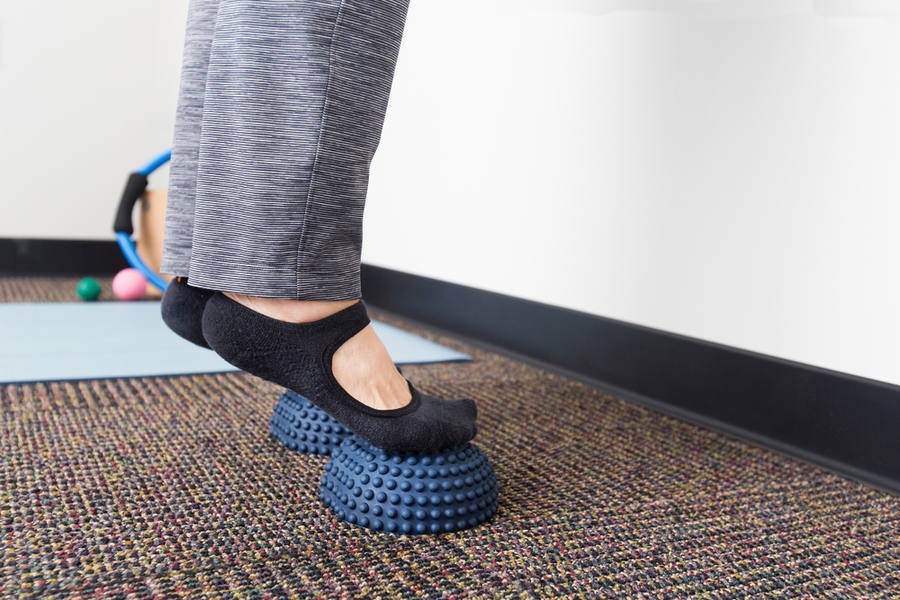
The muscles around your ankles help you stay steady when walking, particularly on uneven ground.
Stand upright while holding a stable surface. Slowly rise onto the balls of your feet, lifting your heels off the floor. Pause briefly, then lower them with control.
These small movements train muscles that are useful when walking outdoors, stepping over kerbs or moving around unfamiliar places.
Sideways Leg Lifts For Getting In And Out Of The Car
Stand next to a solid chair or worktop and hold on for support. Keeping your upper body upright, slowly lift one leg out to the side as far as feels comfortable. Keep your toes pointing forwards, then lower the leg with control. Repeat on the other side.
This strengthens muscles around the hips. Those muscles are useful when stepping sideways, moving around furniture or getting in and out of a car or bath.
Wall Press-Ups For Pushing Movements
A wall press-up is a practical way to build upper-body strength without getting onto the floor.
Stand facing a wall and place your hands against it at around chest height. Take a small step backwards. Bend your elbows and move your chest gently towards the wall, then push yourself back to the starting position.
Standing further away will usually make the movement harder, but begin close enough that you feel stable. This exercise builds strength in your arms, shoulders and chest.
Shoulder Presses For Reaching Into Cupboards
Sit upright in a stable chair and hold a light object in each hand, such as a small bottle of water. Raise your hands upwards in a controlled movement, then lower them slowly.
Keep the weight light, particularly at first. Do not force the movement if you have shoulder pain or limited mobility.
Heel-To-Toe Standing For Balance
Stand next to a worktop or sturdy chair so support is available. Place one foot directly in front of the other, with the heel of your front foot close to the toes of your back foot. Look straight ahead and hold the position briefly.
Switch the position of your feet and repeat. Hold the worktop firmly at first if needed. As your confidence improves, use a lighter touch if that feels safe.
Light Carries For Shopping And Household Jobs
Shopping bags, laundry baskets and watering cans all place demands on your grip, arms and core.
If you feel confident on your feet, practise carrying a light object over a short distance at home. This could be a light shopping bag or a small bottle in each hand.
Keep the route clear and avoid anything heavy or awkward. If balance is a concern, leave carries out and focus on supported exercises.
Build A Routine You Will Actually Use
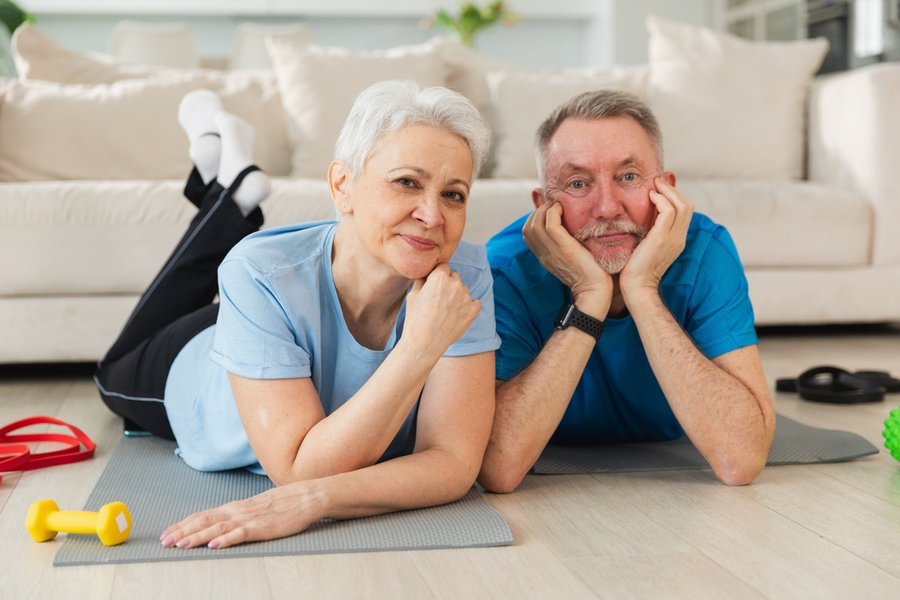
You do not need to do every exercise in one session. Choose a handful that match your ability and the everyday movements you want to support.
A simple starting routine could include sit-to-stands, supported knee bends, heel raises, sideways leg lifts, wall press-ups and heel-to-toe standing.
Begin with a few repetitions of each movement and increase gradually as your confidence improves. The NHS suggests doing strength and balance exercises at least twice a week.
These exercises are only one part of staying active. Walking, swimming, cycling, gardening and other enjoyable activities can also help. Adults aged 65 and over should aim for at least 150 minutes of moderate-intensity activity each week, or 75 minutes of vigorous activity if they are already active.
It is equally important to avoid spending the rest of the day sitting still. Light activity counts too, whether that means moving around the house, making the bed, vacuuming or taking a gentle walk.
Make Retirement A More Active Chapter
A useful home workout does not need complicated equipment, punishing exercises or an unrealistic schedule.
The best routine is one that helps you continue doing the things you value: walking confidently, carrying your shopping, enjoying the garden or getting down to the floor without dreading the journey back up.
Functional fitness is about protecting the freedom to enjoy the life you have now.