
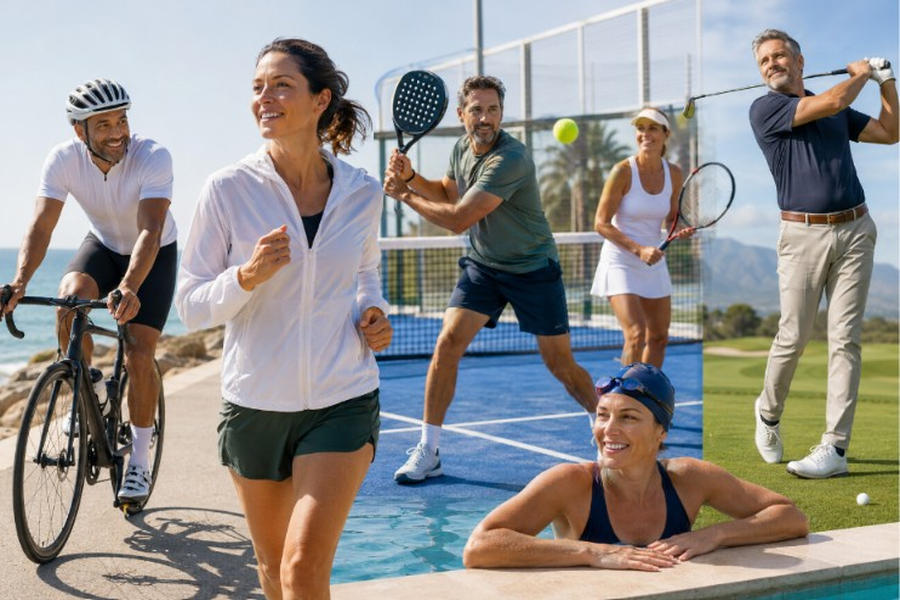
Starting a sport as an adult can feel oddly intimidating.
When you are younger, sport tends to appear naturally. You play at school, join in at the park, get dragged into five-a-side, or discover something because your mates are doing it. By your 30s and 40s, life is usually more complicated. Work is busier, recovery is slower, joints have opinions, and a Saturday morning injury can ruin far more than your weekend.
That does not mean sport is off the table. In many ways, it is one of the best things you can do.
The right sport gives you fitness, structure, social contact, skill development and a reason to move that is more interesting than staring at a treadmill screen. The key is choosing something that suits your body now, not the body you vaguely remember from 2007.
What Makes A Sport Good To Start Later In Life?
A good adult-start sport should be easy enough to begin, but deep enough to keep you interested.
It should let you control the intensity, learn gradually and build fitness without demanding that you go from sofa to superhero in three sessions. Ideally, it should also have a social side, because turning up is much easier when someone expects to see you.
The best options tend to improve several areas at once: cardiovascular fitness, strength, balance, coordination, mobility and confidence. They also give you room to improve without needing to become competitive. You can train seriously without chasing trophies, medals or a midlife hamstring tear.
Swimming
Swimming is one of the safest bets for adults who want to get fitter without hammering their joints.
Because the water supports your body, it is easier on the knees, hips and back than many land-based sports. That makes it useful for people returning after a long break, carrying extra weight, or managing niggles that make running or football feel too aggressive.
It is also genuinely good whole-body training. Your shoulders, back, core, legs and lungs all have to work, and even a steady swim can leave you feeling properly exercised.
The main downside is that swimming can be technically frustrating. If your stroke is inefficient, you may tire quickly or feel as if you are wrestling the water rather than moving through it. A few adult lessons can make a huge difference, especially if you want to swim for fitness rather than simply survive a length.
Cycling
Cycling is another strong choice, especially if you want endurance training without repeated impact.
You can start gently with short rides, build distance over time and decide whether you prefer roads, trails, indoor cycling or a mix of all three. It is also easy to adjust intensity. A relaxed Sunday ride and a hard hill climb are both cycling, but they are not the same workout.
For adults in their 30s, 40s and beyond, cycling works well because progression is simple. You can ride a little further, climb a little better or improve your average pace without needing to join a race or pretend you are in the Tour de France.
The weak spot is that cycling does not do much for upper-body strength, and too much time in the saddle can leave you stiff if you never work on mobility. It is a brilliant sport, but it pairs well with strength work and stretching.
Padel, Tennis And Badminton
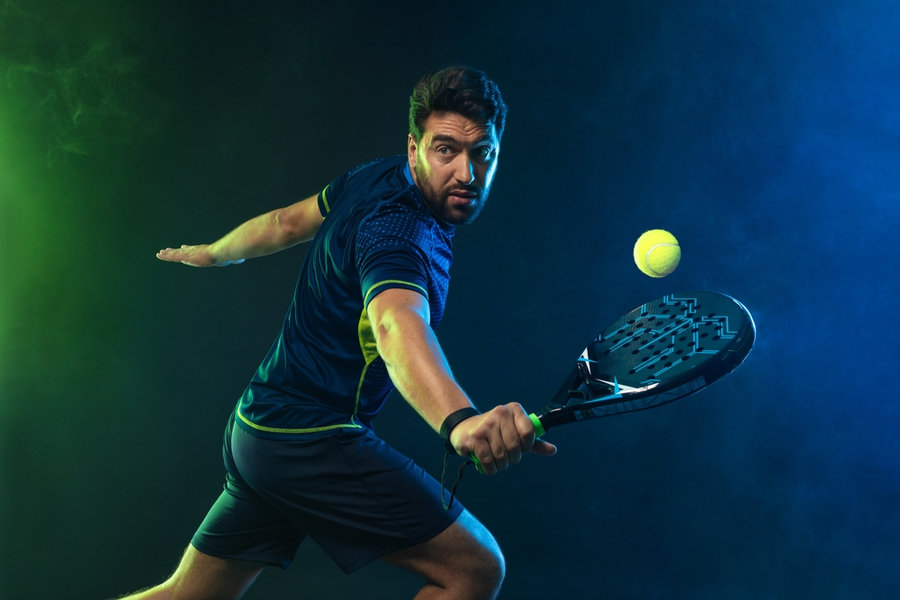
Racket sports are ideal if you want fitness that feels like a game rather than a workout.
Padel has become especially popular because it is easier to pick up than tennis, usually played as doubles and more forgiving for beginners. Tennis and badminton are also excellent, but they can be a little more demanding at the start depending on your movement and skill level.
The big benefit of racket sports is that they train things many gym sessions miss: reactions, footwork, coordination, agility and short bursts of effort. You are not just moving in straight lines. You are stopping, starting, turning, reaching and thinking while tired.
That said, be careful with the “just one more game” trap. Racket sports can be tough on calves, Achilles tendons, knees and shoulders if you go too hard too soon. Start with shorter sessions, warm up properly and resist the urge to play like a professional when your body is still buffering.
Golf
Golf gets dismissed by people who have never played it properly, but it can be a surprisingly good sport to start later in life.
If you walk the course, golf gives you several hours of low-intensity activity, fresh air and plenty of time on your feet. It also requires mobility, balance, rotation and coordination. A good swing is not just arms and hope. Your hips, trunk, shoulders and timing all matter.
Golf is also one of the more sustainable sports as you get older. You can play socially, competitively or casually, and it does not require the same lung-bursting fitness as football or squash.
It will not replace more intense cardiovascular training on its own, especially if you use a buggy and spend half the round sitting down. But as part of an active lifestyle, it is far more physical than its reputation suggests.
Boxing Training
You do not need to get punched in the face to benefit from boxing.
Fitness boxing, pad work, bag work and boxing-style conditioning are excellent for adults who want something intense, structured and mentally absorbing. Boxing training develops cardiovascular fitness, coordination, footwork, shoulder endurance, core strength and rhythm.
It is also brilliant for stress. There is something deeply satisfying about hitting pads after a long day, as long as the coach knows what they are doing and you are not being thrown into sparring before you are ready.
The main thing is to find the right environment. A good beginner-friendly boxing gym will focus on technique, footwork, fitness and controlled progression. A bad one will try to turn every newcomer into a warrior by Thursday. Choose carefully.
Martial Arts
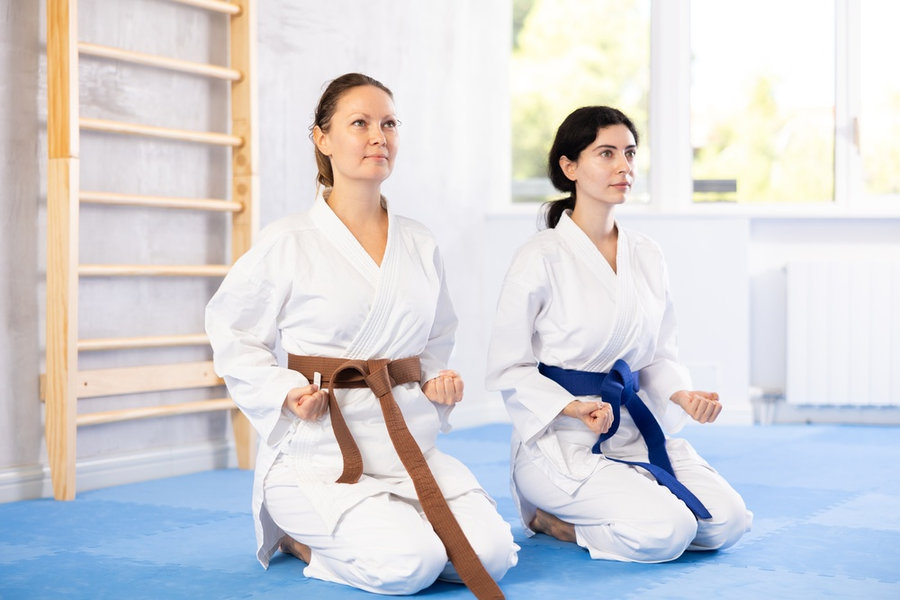
Martial arts can be a fantastic adult sport, provided you pick the right style and club.
Brazilian jiu-jitsu, judo, karate, taekwondo, kickboxing and other disciplines all offer different blends of skill, fitness, discipline and confidence. Some are more striking-based, some involve grappling, and some place more emphasis on forms, movement and control.
The appeal is that you are always learning. You are not just doing exercise for the sake of burning energy; you are developing a skillset. That can keep you engaged in a way ordinary workouts sometimes do not.
The risk is that some martial arts can be hard on the body, particularly grappling or high-impact sparring. Beginners should look for clubs with sensible coaching, mixed ability classes and a culture that does not treat injury as proof of commitment.
Rowing
Rowing is one of the best full-body endurance sports, and you can start indoors before ever going near a boat.
The rowing machine is not glamorous, but it is brutally effective when used properly. It trains the legs, back, core, arms and cardiovascular system in one movement. It is also lower impact than running, which makes it a useful option for adults protecting their joints.
Outdoor rowing adds skill, timing and teamwork, which can make it more interesting and social. Many clubs offer beginner courses for adults, so it is not something you have to have done at school or university.
Technique matters, though. Poor rowing form can irritate the lower back, so it is worth learning the movement properly rather than yanking the handle like you are trying to start a lawnmower.
Walking Football Or Casual Five-A-Side
Football is a brilliant sport, but returning to it after years away can be humbling.
Your touch might still be there. Your brain might still see the pass. Your lungs, however, may file a formal complaint after four minutes.
Walking football is a good option for older adults or anyone who wants the fun, teamwork and competitiveness of football without the same sprinting and collision load. It still requires movement, awareness, passing, balance and control, but the pace is more manageable.
Casual five-a-side can also be excellent if you build up gradually and play with the right group. The danger is jumping into a competitive game too quickly. Stop-start sports are tough on muscles and tendons, especially if your warm-up consists of tying your laces and saying, “I’ll be fine.”
Running
Running is not for everyone, but it remains one of the simplest sports to start.
You do not need much equipment, you can do it almost anywhere, and progress is easy to track. Programmes that mix walking and running are especially useful because they help your cardiovascular system and tissues adapt gradually.
The mistake many adults make is assuming they should be able to run continuously straight away. You do not have to. In fact, starting with run-walk intervals is often smarter than forcing yourself through miserable, breathless slogs.
Running is high impact, so footwear, gradual progression, strength work and recovery matter. If your knees, shins or Achilles start complaining loudly, listen early. There is no prize for turning a small warning sign into a six-week layoff.
Climbing
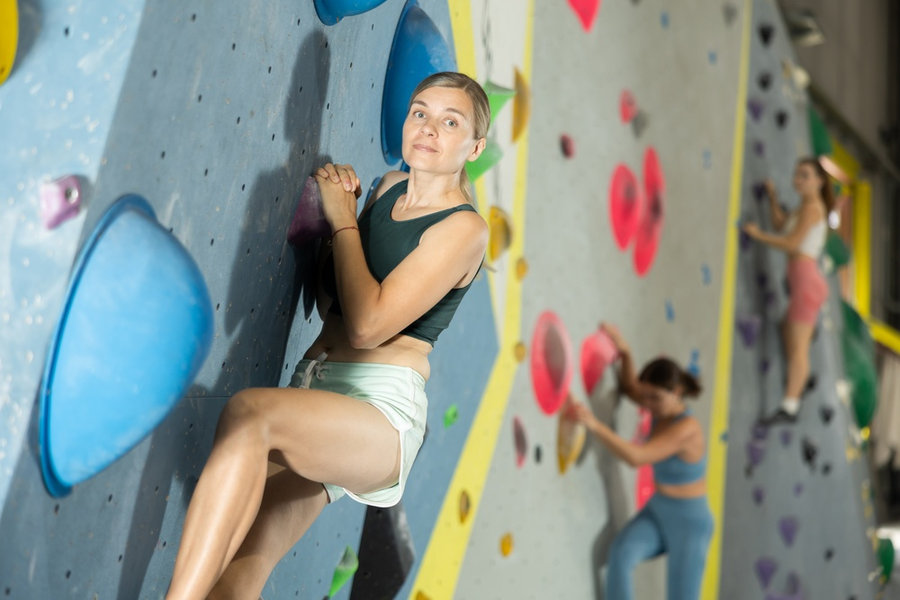
Indoor climbing and bouldering have grown quickly, and they are great for adults who want strength, problem-solving and something a bit different.
Climbing builds grip strength, back strength, core control, hip mobility and body awareness. It also has a mental challenge that makes sessions fly by. You are not counting reps; you are trying to solve a route.
Bouldering is easy to access because you do not need ropes, but falls onto the mats can still be awkward, especially if you are new. Roped climbing may feel more technical at first, but beginner courses make it manageable.
Climbing is a good reminder that sport does not have to mean chasing a ball or running until your lungs burn. Sometimes fitness looks like hanging from a wall wondering why your fingers have abandoned you.
How To Start Without Getting Injured
The biggest mistake is doing too much too soon.
Your motivation may arrive before your conditioning does. That is normal. The body needs time to adapt to new movements, especially if you have been inactive or doing the same type of training for years.
Start with one or two sessions a week, keep the first few weeks easier than you think necessary, and build from there. Warm up properly, learn basic technique and give yourself recovery time. If you are starting a sport with quick changes of direction, contact or impact, be even more cautious.
Strength training also helps. You do not need to become a bodybuilder, but stronger legs, hips, core, back and shoulders make most sports safer and more enjoyable.
If you have an existing health condition, injury history or any worrying symptoms, get proper medical advice before jumping in. That is not being dramatic; it is being sensible.
The best sport to start in your 30s, 40s or beyond is not automatically the one that burns the most calories or sounds most impressive.
That means choosing carefully, building gradually and leaving your ego in the changing room. Which, to be fair, is often where it causes the most trouble anyway.