

You have probably seen them around the gym in branded clothing, running classes, chatting to members and occasionally appearing beside someone doing walking lunges with a deeply unhappy expression.
Most large gyms have personal trainers on site, which makes them the obvious choice when you decide you need help. But are they properly qualified, and would an independent trainer be better?
The honest answer is that gym-based trainers can be excellent, poor or somewhere in between. The same is true of independent PTs. Where someone works tells you surprisingly little about how good they are.
Are PureGym Personal Trainers Properly Qualified?
PureGym is a useful example because its staffing model is not as simple as it appears.
The company offers a combined Personal Trainer/Fitness Coach role. Someone in this position is paid for set hours to run classes, conduct inductions and help look after the gym. Alongside this, they operate their own self-employed personal training business within the facility. PureGym also has standalone self-employed PT roles.
So, the person wearing a PureGym uniform may be an employee while carrying out gym duties but self-employed when you pay them for a session. You are generally paying the trainer for their own service rather than buying personal training directly from PureGym.
They are still expected to be qualified. PureGym requires applicants for its Personal Trainer/Fitness Coach roles to hold a Level 3 Personal Trainer qualification, the recognised entry-level qualification for personal training in England.
That makes them genuine PTs. It does not automatically make them excellent ones.
A qualification shows that someone has met a minimum standard in areas such as anatomy, safe exercise and programme design. It cannot provide years of coaching experience, strong communication skills or specialist knowledge.
Passing your driving test makes you a qualified driver. It does not mean anyone would volunteer to sit beside you while you attempt parallel parking.
Why a Gym-Based PT Can Be a Good Choice
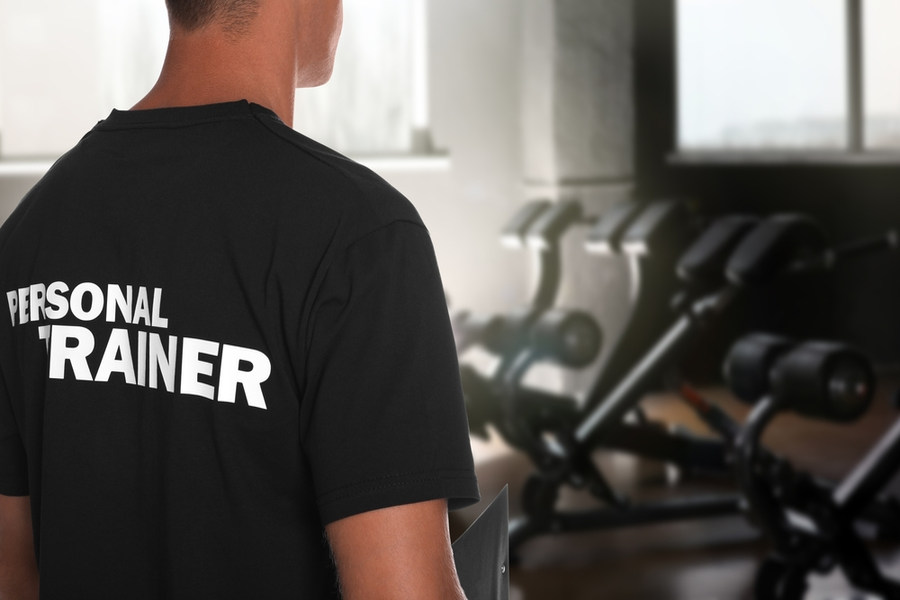
Convenience is one of the biggest advantages. You already know where the sessions will take place and what equipment is available. The trainer should also know the gym well enough to adapt when every bench has been claimed at 6pm on a Monday.
You may be able to observe trainers before choosing one. Watch how they speak to clients, whether they pay attention during sets and whether their sessions seem structured. This usually tells you more than a polished social media account.
A good gym PT can be particularly useful for beginners. They can teach you how to use equipment, help you feel more comfortable in the weights area and give your training some direction. Many people simply need someone who can explain the basics clearly and stop them changing their routine every time they see a new exercise online.
Where Gym-Based Trainers Can Fall Short
Commercial gyms are a common starting point for newly qualified trainers. There is nothing wrong with being new, but the trainer who approaches you may have limited practical experience.
Some improve quickly because they listen and learn. Others rely on the same exercises and session formats for everyone. That becomes a problem when a client has an injury, a complicated training history or a goal that needs more than a generic fat-loss circuit.
Gym-based PTs also have to build a business, which can create pressure to turn ordinary conversations into sales opportunities. Most handle this professionally, but almost every regular gym member has met one who suddenly becomes fascinated by their goals while they are trying to finish a set.
There can also be a high turnover of trainers. Before buying a large block of sessions, ask how long the trainer has worked there and what happens if they leave.
Are Independent Personal Trainers Better?
“Independent” is a slightly misleading term because many trainers working inside commercial gyms are already self-employed. Usually, people mean a PT who works from a private studio, visits clients at home or coaches online.
These trainers may have more experience or a clearer specialism. Someone who mainly works with powerlifters, older adults, postnatal clients or endurance athletes may be a better choice when you have a specific goal.
However, independence is not a guarantee of quality. A trainer can have impressive branding and a private facility while still delivering poor programmes. You still need to check their qualifications, insurance, experience and approach.
For specialist situations, look for specialist education too. A standard Level 3 qualification does not make someone an expert in rehabilitation, pregnancy, postnatal exercise or every medical condition. A trustworthy trainer knows the limits of their knowledge and refers clients elsewhere when necessary.
How to Choose the Right Trainer
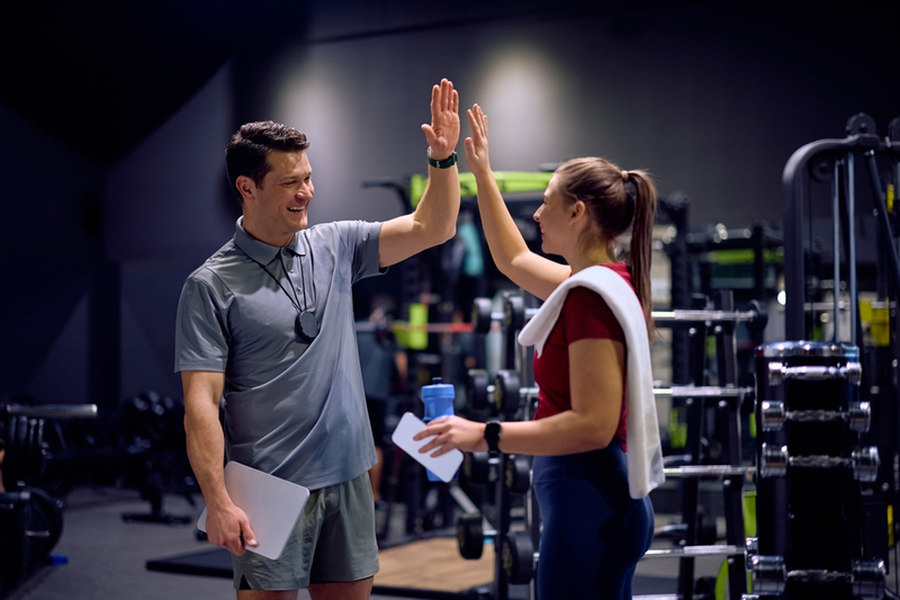
Start by finding someone whose experience matches your goal. The strongest-looking person in the gym is not automatically the best coach, and a trainer who is excellent with beginners may not be right for competition preparation.
Ask how they would approach your first few months. They should be able to explain how they will assess your starting point, progress your programme and measure whether it is working.
Be cautious if every session looks completely different. Variety can make training enjoyable, but random exercises are not the same as structured programming. You should repeat movements often enough to improve them and track progress.
Most importantly, choose someone who listens. Your schedule, confidence and preferences all matter. A technically perfect programme is useless if it expects five weekly sessions from someone who can realistically manage three.
Choose the Person, Not the Gym
There is no reason to dismiss a personal trainer because they work at PureGym or another commercial chain. Many are knowledgeable, experienced and excellent at what they do.
There is also no reason to assume someone must be good because a familiar gym logo appears on their shirt. The gym provides the setting and minimum standards, but the individual provides the coaching.
An independent trainer is not automatically better. Check the person’s qualifications, relevant experience and behaviour with existing clients. A good PT can transform the way you exercise whether they work in a national chain or from a small private studio.
The logo on the wall matters far less than the person standing beside you.