

You spend an hour pushing through a tough workout, hit a new personal best, and leave the gym feeling accomplished. The next morning, you’re stiff, sore, and wondering why recovery seems to take longer than it should.
Most gym-goers focus heavily on training. They fine-tune workout programs, track sets and reps, and chase progressive overload. Recovery often becomes an afterthought. The result? Slower progress, increased fatigue, and a greater risk of injury. The good news is that effective recovery doesn’t require complicated protocols. A few simple habits can make a significant difference.
Recovery Is Part of the Process
Training places stress on the body. Recovery is when the body adapts, repairs tissue, and becomes stronger. Without adequate recovery, even the best training program will eventually stop producing results. Many people assume recovery simply means taking a day off. In reality, it involves supporting the body through movement, nutrition, and quality sleep so that it can perform again at a high level.
Foam Rolling and Mobility Work
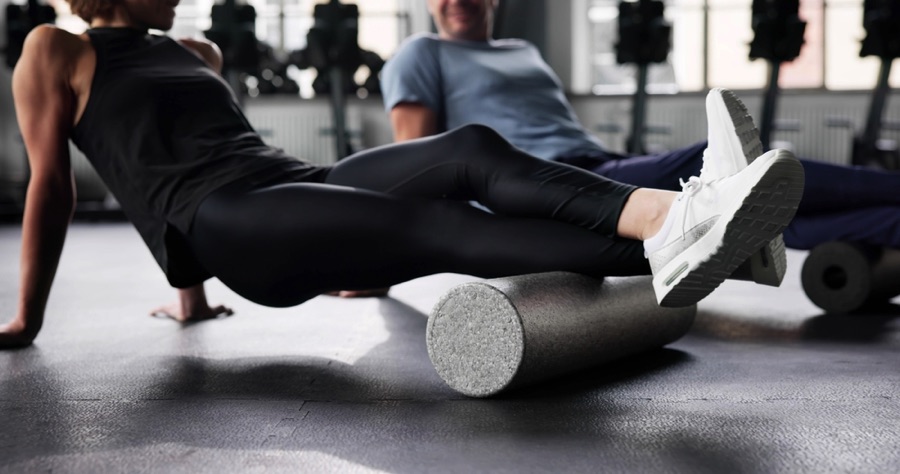
Foam rollers are common in most gyms, yet many people rarely use them consistently. While foam rolling isn’t a magic solution, it can help reduce muscle soreness, improve mobility, and increase blood flow to tight areas.
Spending five to ten minutes after training focusing on the muscles you worked can help maintain movement quality and reduce stiffness. Areas like the glutes, upper back, and lats are often overlooked but can have a major impact on lifting performance and posture.
The key is consistency. A few minutes after each workout often delivers better results than occasional long sessions.
Strategic Supplementation for Recovery
Supplements should never replace good nutrition, but they can support recovery when used appropriately. One of the most researched options is creatine monohydrate. Creatine helps replenish energy stores used during high-intensity exercise and may improve recovery between training sessions. For people who train several times per week, it can be a simple addition to an overall recovery strategy.
Protein is equally important. Consuming enough protein throughout the day provides the amino acids needed to repair and maintain muscle tissue. Whether that protein comes from whole foods or a shake, consistency matters more than perfect timing.
It’s also worth paying attention to micronutrients. Nutrients such as magnesium, zinc, and vitamin D play important roles in muscle function, recovery, and overall health. A balanced diet should be the foundation, but deficiencies can affect recovery and performance.
Don’t Skip Active Recovery

Many people think recovery means doing nothing. In reality, light movement often helps the body recover more effectively than complete inactivity. Active recovery can include walking, easy cycling, swimming, or gentle mobility work. These activities increase circulation, helping deliver nutrients to muscles while reducing feelings of stiffness and soreness.
The key is keeping the intensity low. Active recovery should leave you feeling better, not more fatigued. If you’re turning a recovery session into another workout, you’re missing the point. Even a 20-minute walk on a rest day can support recovery and help you feel more prepared for your next training session.
Better Sleep, Better Results
No recovery tool can compensate for poor sleep. Sleep is when much of the body’s repair and adaptation takes place. Consistently getting quality sleep supports muscle recovery, hormone regulation, energy levels, and overall performance.
Improving sleep doesn’t always require dramatic changes. Small habits can make a noticeable difference:
- Maintain a consistent bedtime and wake-up time.
- Reduce screen exposure before bed.
- Limit caffeine later in the day.
- Create a cool, dark, and quiet sleep environment.
These habits help support better sleep quality and make recovery more effective.
Build Recovery Into Your Routine

Recovery works best when it’s treated as part of your training plan rather than something you do only when you’re exhausted.
If you’re constantly sore, dealing with recurring tightness, or feeling run down, it may be a sign that your recovery habits need attention. Adding a few simple practices—such as foam rolling, active recovery, strategic supplementation, and better sleep—can have a meaningful impact over time.
You don’t need to overhaul your entire routine. Start with the area where you’re struggling most and build from there.
The Long Game
The people who stay strong and active for years are rarely the ones who train the hardest every day. They’re the ones who recover consistently.
Foam rolling, quality nutrition, creatine, active recovery, and good sleep may not be as exciting as setting a new personal best, but they create the foundation that allows progress to continue. Recovery isn’t separate from training. It’s what makes training work.