
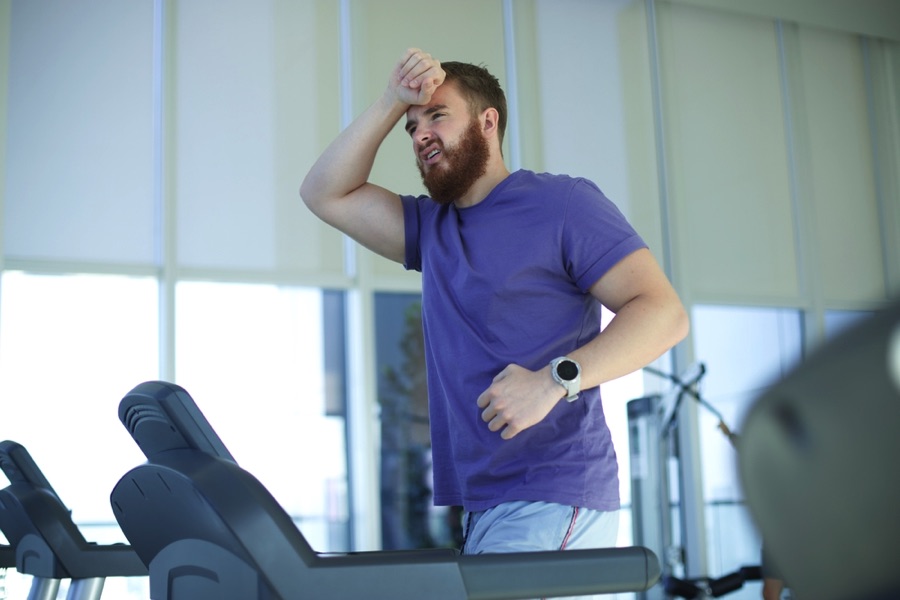
Alcohol and exercise are not a good combination, and yet one follows the other in a lot of cases because anyone who regularly drinks will also feel compelled to work off the excess calories put into their system by night after night at the pub or quaffing cans on the sofa. If you’re coming out of a long period of heavy drinking, and perhaps are doing so as part of recovering from alcohol dependency, getting back up to speed with your fitness can be even tougher.
Some of that toughness will come from resisting the temptation to rush back to old routines and giving 110% at the gym immediately. The far better strategy is to take a slow and steady approach, and there are lots of reasons involved, many of which are not to do with seeing results, but more to do with avoiding making things worse.
Protecting Your Heart
Drinking to excess on a regular basis is well known for its associations with increased blood pressure, and leaves your entire cardiovascular system more highly strung than you might appreciate. When you go back to exercising, you have to treat it as such, and avoid intense activity in the early stages so that your ticker can get back into the swing of pumping oxygen around for fitness reasons, as opposed to just transporting alcohol to your brain.
For personal guidance on exactly how to cope with the worst effects of binge drinking and dependence, it’s worth looking for alcohol detox near me. That way, you can rely on professional input into your recovery, and know exactly when the right time is to return to exercise altogether, let alone start up high-intensity interval training again.
Avoiding Tendon and Joint Issues

Another overlooked side effect of drinking heavily is that it leaves you dehydrated, which has all sorts of knock-on health effects. The one that’s most relevant for exercise is what dehydration does to your tendons and joints.
These need to be well lubricated with fluid in order to work well, and if they aren’t, you’ll find they’re far more prone to becoming inflamed and even suffering tears, in the case of tendons. A slow and steady return to exercise, combined with a comprehensive hydration routine before, during, and after any physical activity, gives you a hedge against such problems.
Giving Muscle Tissue a Chance to Repair Itself
Any fan of fitness will know that no one should go day after day putting their body through punishing workouts, because muscles need time to rebuild and repair as part of the strength and stamina improvement process.
For heavy drinkers planning to start a fresh fitness kick, tissue repair is impaired both due to the impact alcohol has on glycogen storage and the way it disrupts quality sleep. In other words, as with all parts of a back-to-basics fitness regimen when you’re getting off alcohol, taking your time and allowing more space for your body to recover at its own pace will pay off.