
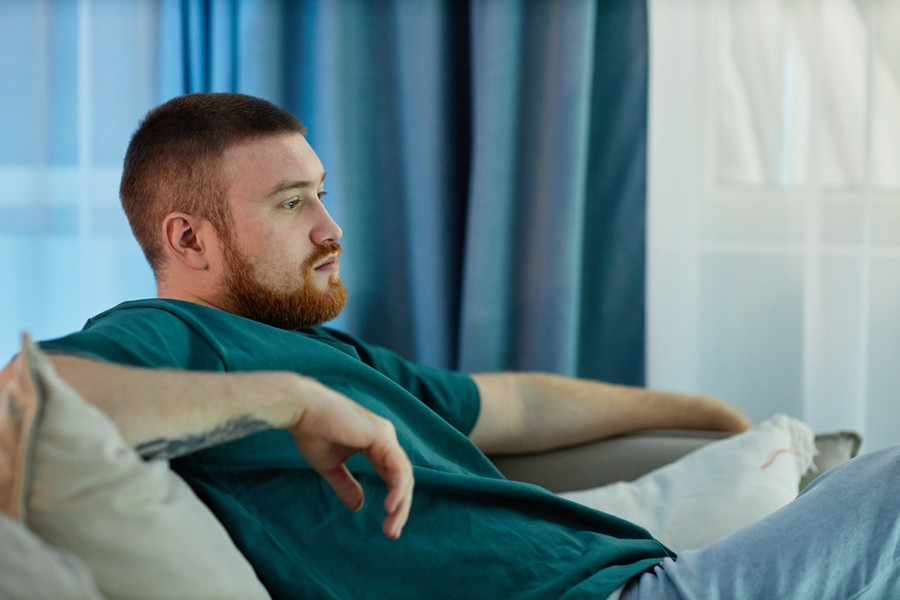
Missing a few workouts will not undo months of progress. Your body does not suddenly lose its strength or fitness because you take a short break. Rest can be useful when you are ill, injured or in need of recovery.
However, if that break becomes several weeks or months with little physical activity, some adaptations created by exercise begin to fade. This is known as detraining. What changes, and how quickly, depends on your previous exercise, training history, age, health and everyday activity.
Your Cardiovascular Fitness Starts to Decline
Cardiovascular fitness describes how effectively your heart, lungs, blood and muscles work together to supply and use oxygen. Aerobic exercise makes this system more efficient. Without the training stimulus, the body no longer has the same reason to maintain every adaptation.
Research on detraining shows that measurable reductions in VO2 max, a commonly used indicator of aerobic fitness, can begin after roughly two weeks without training. This does not mean you become unfit overnight. You may simply notice that a familiar run, cycle or energetic game leaves you breathing harder than before.
One early contributor is a reduction in blood and plasma volume. The amount pumped with each heartbeat may fall, so the heart beats more frequently during exercise. Over longer breaks, muscles may also become less efficient at using oxygen.
Endurance athletes may notice these effects quickly because they started with a high fitness level. Staying generally active also matters: stopping structured workouts while continuing to walk and cycle is different from becoming almost completely sedentary.
Strength and Muscle do not Disappear Immediately

People often worry that a week away from the gym will cause them to lose muscle. In reality, substantial losses do not normally happen that quickly. Short-term changes in how full or defined muscles look can result from lower stores of muscle glycogen and the water held alongside it, rather than a large loss of muscle tissue.
Strength can also be preserved for longer than aerobic fitness. Research has found considerable variation, but brief breaks of a few weeks may produce little or no meaningful reduction in strength, particularly in younger adults. As inactivity continues, however, muscle size, strength and muscular endurance can all decline.
The rate is not identical for everyone. Older adults may be more vulnerable to losses during prolonged inactivity, while experienced lifters generally retain some of their previous advantage. Complete bed rest causes much faster deterioration than an ordinary break in which a person still moves around, works and performs daily tasks.
Exercise Begins to Feel Harder
You may no longer run at your previous pace, complete as many repetitions or recover as quickly between hard efforts. Movements requiring coordination can also feel less natural after a long gap.
Some of this is lost familiarity. Exercise develops confidence, pacing and technique as well as fitness. It may take several sessions to judge the right speed or weight again, making your first workout back feel disproportionately difficult.
Your Metabolism and Body Composition May Change
Exercise uses energy, so stopping it reduces your total energy expenditure unless you replace it with other activity or eat less. Weight gain is possible if your energy intake then consistently exceeds what you use, but it is not automatic. Food intake, everyday movement, sleep, medication and other factors all affect body weight.
Regular activity also helps the body respond to insulin and manage blood glucose. These benefits can begin to diminish when activity stops, especially if the break is accompanied by more sitting. Over the longer term, an inactive lifestyle is associated with a greater risk of conditions including cardiovascular disease, type 2 diabetes and obesity. That is different from saying a short holiday from exercise will cause a disease; risk develops through a combination of behaviours and other factors over time.
Mood, Sleep and Energy Can be Affected
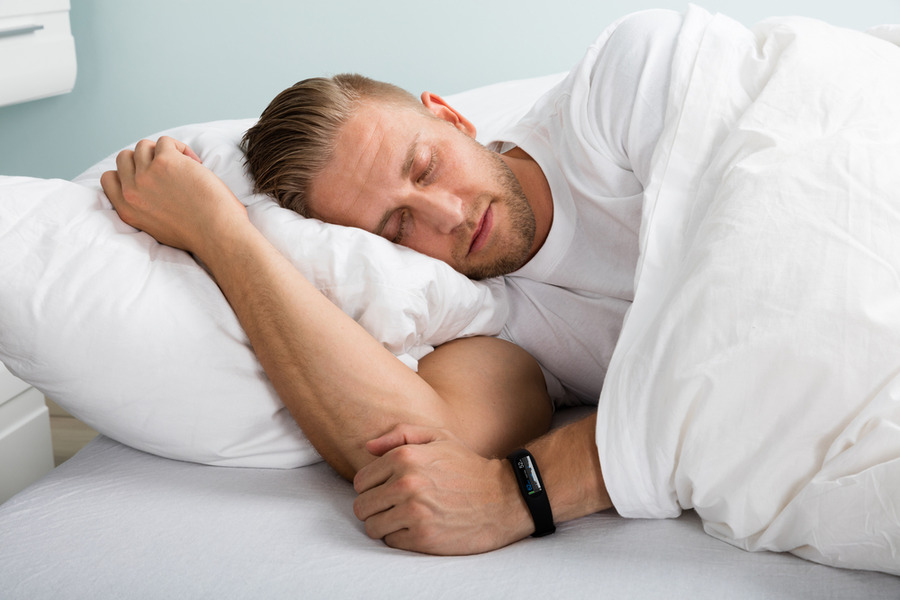
Physical activity can improve mood, reduce anxiety and support sleep. You might therefore notice changes in your mental wellbeing when it disappears. Some people feel restless or sluggish; others initially feel better because a demanding schedule had left them tired.
There is no guaranteed response. Exercise may also provide social contact, time outdoors and a sense of progress, so losing those experiences can matter too. Walks, hobbies or time with other people may make a break easier.
Mobility, Bones and Everyday Function Matter Too
Flexibility and mobility can decline when joints stop regularly moving through a comfortable range. You may feel stiffer, particularly if your days involve long periods of sitting. Reduced strength can eventually make ordinary tasks such as climbing stairs, carrying shopping or getting up from the floor more demanding.
Bones adapt more slowly than the cardiovascular system, but they also respond to use. Weight-bearing and resistance activities help maintain bone strength. A few missed workouts will not suddenly weaken your skeleton; the concern is prolonged inactivity, especially for older adults and people already at risk of osteoporosis.
You do not Necessarily Return to Square One
The encouraging news is that previous training still counts. How much fitness you retain depends partly on how long and consistently you exercised before stopping. Someone with years of training usually has a stronger foundation than someone who completed a few sessions.
Regaining strength and muscle may be faster than building them initially. People call this “muscle memory”, a term covering mechanisms including retained motor skills and lasting changes within trained muscle. It does not mean you should immediately resume your old workload.
How to Start Exercising Again Safely

Resist the temptation to test your previous limits in the first session. Begin with a manageable version of your old routine and pay attention to how you feel during the workout and over the following days. You might reduce the weight, pace, duration or number of sets, then build up gradually.
The NHS recommends that adults aim for at least 150 minutes of moderate-intensity activity, or 75 minutes of vigorous activity, each week, alongside strengthening activities on at least two days. Those figures are useful targets, not a requirement for your first week back. Even shorter sessions and brisk walks can start rebuilding the habit while limiting excessive soreness.
If you stopped because of illness, injury, pregnancy, surgery or a medical condition, the right route back may be different. Seek advice from an appropriate healthcare professional if you are unsure what is safe, and stop exercising if you develop concerning symptoms such as chest pain, fainting or severe breathlessness.
Ultimately, detraining is gradual rather than instant. Cardiovascular fitness often changes first, while noticeable losses of strength and muscle generally take longer. A break is not failure, and it does not erase everything you achieved. Keep moving where you can, restart at a sensible level and give your body time to adapt again.