
Choosing a personal training course is easy until you start thinking about what happens after the final assessment. Two courses can both lead to a PT qualification while giving you different amounts of practical coaching, tutor contact and help with finding work.
When you think about PT course employability, it helps to look beyond the study format. Employers need to know that you hold the right qualification and can demonstrate the skills the role requires. This comparison looks at online and attended PT courses, but the study format is only one part of the decision.
Start with the Qualification, Not the Delivery Format
If you are entering the fitness industry for the first time, check where the course takes you. A common route is Level 2 Gym Instructing followed by Level 3 Personal Training. If you already hold the relevant Level 2 qualification, a standalone Level 3 route may be enough.
CIMSPA recognition gives you another useful check. Its Personal Trainer professional standard sets out the knowledge and skills expected for the occupation, while endorsed qualifications are mapped against that standard.
This is one area where online and attended study can be equal. The delivery method does not decide the status of the qualification. A properly structured online route can work towards the same occupational standard as an attended route.
If you want to keep both formats open while deciding, these personal training courses offer online and attended study, CIMSPA recognition, practical assessment and career support, so you can choose around your schedule without changing the qualification goal.
Before looking at lesson access or training venues, check the qualification level and what it allows you to do once you have passed.
Practical Assessment Matters in Both Formats

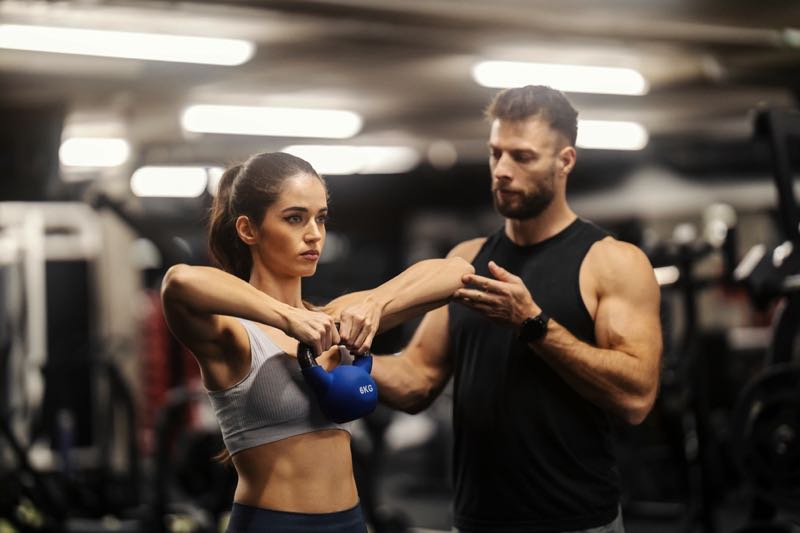
Personal training is a coaching job. Knowing anatomy and programme design matters, but you also need to explain exercises, observe movement, give feedback and adjust a session when a client is struggling. Attended courses make this part easy to picture. You train with tutors and other learners, practise coaching in person and complete practical work in a scheduled setting. If you learn best by watching a movement demonstrated and then trying it yourself, that contact can help.
Online study handles the same issue differently. An online route leading to an endorsed qualification still needs a way to assess practical skill. That may mean recording set coaching tasks and submitting video evidence. You gain more control over when the work is completed, but you also need the space, equipment and organisation to practise away from scheduled teaching days.
Neither format deserves an automatic hiring advantage simply because of where the theory was studied. The better question is whether practical competence has been assessed properly and whether you can explain what you did during training when an employer asks about it.
An attended learner may have more face-to-face practice built into the timetable. An online learner may arrange more of that practice independently. In either format, you still need to make good use of the practice available if you want to feel comfortable coaching someone.
Tutor Contact Changes the Learning Experience
Attended study gives you scheduled contact with tutors and other learners. You can ask questions while working on an exercise, watch how somebody else coaches it and receive feedback before moving on. That can suit people who learn better when someone is physically present.
The cost is less control over your diary. Practical days happen at set times and may involve travel. If you work weekends, care for children or live far from a training venue, fitting those dates around your week can become the harder part of the course.
Online study gives you more control. You can work through theory at times that suit you and repeat material without keeping pace with a class. That can be a better fit if you already spend time in a gym and are comfortable organising your own practice.
The downside is that flexibility puts more responsibility on you. Online learning can still include tutor support, but you need to keep moving through the work and make time to practise coaching rather than concentrating only on written material. Passing and feeling job-ready are not always the same thing. Choose the format that makes you more likely to practise, ask questions and finish the course able to coach without hiding behind your notes.
Career Support Can Separate Otherwise Similar Courses

Once two courses meet the right qualification standard and both assess practical ability, post-course support becomes a useful point of comparison. An attended course does not automatically offer better career help because you met tutors in person. An online course does not automatically leave you to find work alone. Career support depends on what the provider actually offers.
Look past broad promises about graduate success and check what is available after qualification. Career support might mean access to a recruitment platform, vacancies, CV help or contact with employers.
Career support cannot guarantee an interview or a job. What it can do is give you a clearer next step once the course is finished. If online and attended learners receive the same support after passing, there is no reason to score the attended route higher on this criterion.
Which Course Gives You the Stronger Hiring Position?
If an online course and an attended course both lead to an appropriate CIMSPA-endorsed Level 3 qualification, assess practical coaching and give access to useful career support, neither format automatically offers better employment prospects.
Attended study has the edge for someone who wants practical work built into a timetable, values face-to-face feedback and learns better around tutors and other learners. The trade-off is fixed dates, travel and less freedom over when the practical part happens.
Online study has the edge for someone who needs control over study hours, is comfortable learning independently and can arrange enough practice away from scheduled sessions. The trade-off is having to create more of that structure for yourself.
For getting hired, the better course is the one that leaves fewer gaps between qualification and the work you will actually be asked to do. The coaching responsibilities of the role cover planning and delivering exercise programmes, adapting support to client needs and giving appropriate instruction. You want a recognised route, assessed coaching ability, enough tutor feedback to correct mistakes and a clear way to start looking for roles after you pass.
A course cannot guarantee that an employer will choose you. Your interview, communication, coaching confidence and the needs of the gym still matter. What the course can do is give you credible evidence that you have met the required standard and enough practice to talk about your skills without relying on the certificate alone.
The best hiring choice is not automatically online or attended. It is the format in which you are most likely to complete the right qualification, practise the job properly and use the support available afterwards. If you need regular face-to-face coaching while you learn, attended study is likely to suit you better. If flexibility is what makes completing the qualification possible, a properly assessed online route can still prepare you well for applying for PT roles. In either case, the qualification and practical standard need to match the work you want to do.